Please Choose Your Language
Views: 0 Author: Site Editor Publish Time: 2026-07-05 Origin: Site
Static retail layouts create significant operational friction. Store managers constantly battle the labor demands and downtime associated with seasonal resets and promotional changeovers. Rigid floor plans trap merchandise in underperforming zones, limiting the ability to adapt to shifting foot traffic patterns. Moving heavy, fixed shelving requires dedicated teams, disrupting the shopping experience and draining floor resources.
Retailers face a persistent tension between maintaining premium aesthetic product presentation and requiring operational agility. High visibility and clean lines often rely on heavy, permanent fixtures. Conversely, lightweight, movable racks usually look cheap and detract from brand value. Stores need fixtures that support frequent floor plan reconfigurations without compromising visual standards.
The shift toward mobile, transparent fixtures represents a strategic merchandising decision. By evaluating durability, mobility mechanics, and visual merchandising returns, stores can optimize their layouts dynamically. Integrating a high-quality acrylic mobile casters display stand solves this problem, blending flawless product visibility with rapid physical adaptability.
Mobility Meets Aesthetics: Integrating casters into transparent fixtures eliminates the trade-off between premium product presentation and rapid floor plan adaptability.
Structural Evaluation is Critical: Assessing acrylic thickness, joint bonding methods, and caster load ratings prevents premature fixture failure in high-traffic retail environments.
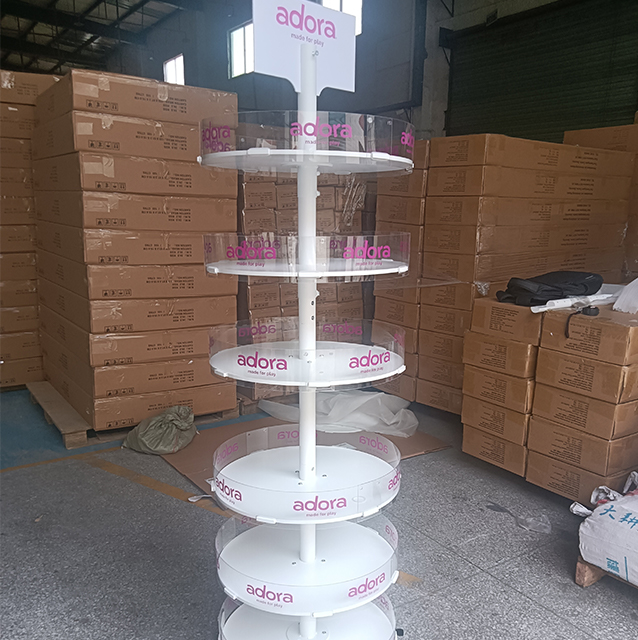
Dynamic Merchandising: Utilizing specialized variants, such as a rotating acrylic mobile casters display stand, maximizes SKU density and product viewership per square foot without creating visual clutter.
Rigid store layouts inevitably create dead zones. These low-traffic areas cause significant revenue loss as high-margin products sit unnoticed. Static shelving forces customers into predictable, often inefficient, routing patterns. When fixtures cannot move, adapting to changing consumer behavior becomes nearly impossible. Store managers watch foot traffic bypass static endcaps, unable to shift the physical infrastructure to capture attention.
Mobile fixtures allow retailers to dynamically test product placement based on real-time foot traffic data. Store teams can roll displays into high-visibility areas during peak hours. You can quickly adjust layouts to capitalize on unexpected foot traffic surges. This agility transforms stagnant aisles into active selling spaces. A sudden rainstorm, for example, allows staff to immediately roll umbrella and rain gear displays directly to the entrance.
Strategic deployment of mobile displays serves as high-impact Point-of-Purchase (POP) units. Retailers capture impulse sales by positioning these units near checkout counters and seasonal endcaps. A transparent fixture highlights the merchandise rather than the shelving, drawing immediate customer attention to promotional items. The clear material prevents the display from feeling like a barricade, maintaining open sightlines across the store.
Merchandising Strategy | Static Fixture Limitation | Mobile Fixture Advantage |
|---|---|---|
Seasonal Resets | Requires overnight labor and heavy lifting equipment. | Completed during operating hours by a single staff member. |
A/B Testing Locations | Impossible without major floor plan disruption. | Allows daily relocation to track sales velocity by zone. |
Impulse Capture | Fixed to specific, often crowded, checkout lanes. | Can be positioned dynamically based on queue lengths. |
Effective mobile fixtures must meet strict baseline requirements. They require zero visual obstruction to keep the focus entirely on the product. Seamless mobility fully loaded is non-negotiable; the unit must roll smoothly without disturbing the merchandise. Reliable locking mechanisms ensure customer safety and prevent unintended movement when shoppers interact with the products.
The primary operational goal is efficiency. A single staff member must be able to safely relocate a fully stocked display during operating hours. This capability eliminates the need for after-hours resets and reduces physical strain on employees. Smooth-rolling casters and a balanced center of gravity make this possible.
Verify the unit rolls smoothly over floor transitions (e.g., tile to carpet) while fully loaded.
Confirm the locking mechanisms engage securely with a simple foot press.
Ensure the clear panels do not distort the color or shape of the merchandise behind them.
Test the stability of the unit by applying moderate lateral pressure to the top shelf.
Evaluating an Acrylic display stand requires understanding material differences. Cast acrylic offers superior light transmission and UV resistance compared to extruded acrylic. Cast materials resist yellowing over time, maintaining a premium look. Flame-polished edges provide a glass-like finish, whereas machine-routed edges can appear dull and unfinished.
Material transparency reduces visual weight in retail environments. Clear fixtures make small retail spaces appear larger and less cluttered. The shelving virtually disappears, keeping the customer's focus entirely on the merchandise. This optical advantage is highly effective for high-end retail presentations where the product design must stand out.
Store lighting interacts differently with various plastics. High-grade cast acrylic acts as a light guide, pulling ambient overhead lighting down through the shelves. This natural illumination reduces the need for integrated LED wiring, simplifying the fixture's design while still highlighting the products effectively.
Transparent fixtures offer unique opportunities for branding integration. Silk-screened logos on the base or side panels reinforce brand identity. Custom laser engraving adds a sophisticated, tactile element to the display. Interchangeable acrylic headers allow for rapid updates to promotional messaging without replacing the entire unit.
Strategic use of colored acrylic accents enhances brand alignment. Frosted bases or neon highlights can match specific brand guidelines. These accents work alongside clear panels to draw attention without diminishing product visibility. The contrast between colored structural elements and clear shelving creates a striking visual dynamic.
Vinyl decals applied to the interior surfaces of the acrylic protect the branding from customer wear and tear. This reverse-printing technique ensures the logo remains pristine even in high-traffic zones where shopping carts or bags might brush against the exterior panels.
Acrylic thickness directly dictates load-bearing capacity. A 1/4-inch panel suits lightweight cosmetics or jewelry. Heavy electronics or bottled goods require 3/8-inch or 1/2-inch thickness to prevent bowing. Matching material thickness to the intended merchandise weight prevents catastrophic structural failure.
Joint construction is equally critical. Solvent-welded joints fuse the acrylic pieces together at a molecular level. This method provides superior structural rigidity under dynamic stress compared to mechanical fasteners. Solvent welding also maintains a seamless, clean aesthetic, free from distracting screws or bolts.
Acrylic Thickness | Recommended Merchandise | Structural Behavior |
|---|---|---|
1/8 inch (3mm) | Paper goods, light apparel accessories | Prone to bowing under moderate weight; use for dividers only. |
1/4 inch (6mm) | Cosmetics, boxed fragrances, small electronics | Standard for shelving; requires center support for spans over 24 inches. |
3/8 inch (9mm) | Bottled beverages, heavy hardback books | High rigidity; excellent for load-bearing base structures. |
1/2 inch (12mm) | Power tools, large consumer electronics | Maximum durability; resists impact and heavy static loads. |
Caster material impacts both mobility and floor protection. Polyurethane casters offer a versatile balance, rolling smoothly on hard surfaces while protecting polished concrete or hardwood. TPR (Thermoplastic Rubber) provides excellent grip and quiet operation. Nylon casters suit carpeted areas but may scratch delicate hard floors.
Dual-locking casters are a mandatory safety feature. These mechanisms lock both the wheel rotation and the swivel action simultaneously. This ensures the stand remains completely stationary when interacted with by customers. A stable display prevents accidents and maintains precise positioning on the sales floor.
The mounting method of the casters determines the long-term viability of the mobile unit. Casters bolted directly into tapped acrylic can strip out over time. High-quality units utilize metal insert nuts or reinforced base plates to distribute the stress of movement across a wider area of the acrylic base.
High-clarity fixtures significantly boost product engagement. Industry data shows that transparent displays can increase product viewership and attention capture by approximately 46% compared to opaque metal or wood alternatives. Removing visual barriers invites customers to inspect items more closely.
The refraction and transmission of ambient store lighting through polished acrylic edges act as built-in illumination. This effect highlights fine details in high-value merchandise like cosmetics, jewelry, and consumer electronics. The material captures and directs light, making the products appear vibrant and premium.
Opaque shelving creates shadows that obscure products on lower tiers. Clear acrylic eliminates these shadows, ensuring that items placed near the floor receive the same lighting and visibility as those at eye level. This uniform visibility directly correlates to higher sales velocities for lower-shelf inventory.
Integrating a lazy Susan bearing or rotating base with a mobile chassis creates a highly interactive fixture. A Rotating acrylic mobile casters display stand allows customers to view merchandise from all angles without walking around the unit. The mechanics must be robust to support the weight while spinning smoothly.
This rotating feature drives specific merchandising outcomes. It increases customer dwell time as shoppers spin the display to discover more items. It delivers higher SKU exposure within a compact footprint. Furthermore, it facilitates easy browsing in tight aisles where movement is restricted.
The bearing mechanism requires careful specification. Steel ball bearings housed in a sealed track prevent dust accumulation and ensure long-term smooth operation. The rotating base must be wider than the upper shelving to prevent the unit from becoming top-heavy and tipping during rotation.
Adjustable shelving and integrated acrylic risers provide ultimate adaptability. Removable tiers allow you to elevate specific products or accommodate taller items. This modularity means the fixture can evolve alongside changing seasonal inventory. You avoid the need to purchase new displays for every product launch.
Incorporating slatwall acrylic accessories maximizes vertical space. Trays, bins, and brochure holders easily attach to modular back panels. This flexibility connects directly to cross-merchandising strategies. You can display small cosmetics alongside larger boxed items on the same fixture seamlessly.
Use stepped risers to display multiple rows of small items without obscuring the products in the back.
Install removable dividers to keep cylindrical items, like lipsticks or batteries, neatly organized.
Utilize magnetic acrylic blocks for quick-change signage that doesn't require adhesive or hardware.
Deploy modular dump bins at the base for clearance items or bulk impulse goods.
Acrylic offers superior clarity to glass and carries significantly less shatter risk. However, it is more prone to surface scratching. Rings, keys, and metal product packaging can mar the surface over time. Retailers must acknowledge this reality when planning their fixture deployment.
Deploying these stands requires strategic placement. High-impact areas near shopping carts or entryways increase the risk of damage. Controlled boutique environments or dedicated cosmetic counters offer safer zones. Balancing the need for premium aesthetics with the reality of high-traffic wear dictates where these units perform best.
Textured or frosted acrylic can be used strategically on high-touch surfaces, such as the base or the leading edges of shelves. This texture hides minor abrasions while maintaining the overall transparent aesthetic of the display unit.
Custom-fabricated, heavy-duty mobile acrylic stands require a higher upfront investment than cheap static wire or wood alternatives. Precision engineering, solvent welding, and high-grade casters drive this initial cost. Evaluating this investment requires looking at the operational agility gained.
The return on investment stems from operational efficiency. Calculate the labor hours saved during rapid promotional changeovers. Factor in the potential for increased impulse purchases achieved via strategic relocation. The agility to adapt the store layout instantly provides ongoing financial benefits.
A single mobile unit can serve multiple departments throughout the year. It might hold suncare products near the entrance in July, then transition to holding boxed gift sets near the jewelry counter in December. This multi-department utility maximizes the value of the initial procurement.
Strict cleaning requirements preserve material clarity. Staff must avoid ammonia-based cleaners, which cause clouding and micro-fractures. Use only clean microfiber cloths and specialized acrylic polishes. Proper maintenance extends the lifespan of the fixture significantly.
Mitigating scratches requires proactive strategies. Use felt-bottomed product bases for heavy or sharp items. Apply clear protective films on high-wear shelves. Train staff to lift products rather than dragging them across the acrylic surface during restocking.
Establish a weekly maintenance schedule. Dust accumulation acts as an abrasive when wiped away improperly. Staff should use compressed air or a static duster before applying any liquid polish to ensure particulate matter does not scratch the surface during the cleaning process.
Repositioning mobile stands must not violate accessibility regulations. Maintain minimum aisle widths, such as the 36-inch requirement in the US, at all times. Store layouts must accommodate wheelchair access even when temporary POP displays are deployed.
Caster design impacts safety. Ensure casters do not protrude beyond the display's footprint. Protruding wheels create dangerous trip hazards for distracted shoppers. Select designs with recessed or flush-mounted mobility hardware.
Floor mapping tape can be used to designate approved "parking zones" for mobile fixtures. This ensures staff only place the units in pre-approved locations that have already been vetted for ADA compliance and fire code clearance.
Moving loaded stands requires specific protocols. Staff must push the fixture from the lowest structural point rather than pulling from the top. Pushing from the top creates leverage that can cause the unit to tip over. Safe handling prevents inventory damage and employee injury.
Weight distribution rules are critical for stability. Always place the heaviest items on the bottom shelves. This practice maintains a low center of gravity during transit. A top-heavy display becomes dangerously unstable when rolling over uneven floor transitions.
Unlock all casters before attempting to move the unit.
Verify the path is clear of debris or major floor level changes.
Push the unit from the reinforced base frame, never from the upper shelving.
Re-engage all dual-locking casters immediately upon reaching the new location.
Audit your current floor plans to identify static bottlenecks and dead zones where mobile fixtures could increase visibility.
Calculate the exact weight of your intended merchandise to determine the required acrylic thickness and caster load rating.
Request a single prototype from your vendor for rigorous in-store testing before committing to a wider rollout.
Establish and document clear cleaning protocols, specifically banning ammonia-based glass cleaners, for your store staff.
Map out designated, ADA-compliant zones on your sales floor where mobile units can be safely deployed during peak hours.
A: Capacity depends heavily on acrylic thickness, joint construction, and caster load ratings. A well-constructed unit typically ranges from 50 to over 200 lbs. Always verify the manufacturer's specific weight limits before loading.
A: The primary difference is the integration of a reinforced base and heavy-duty casters. This alters the center of gravity and enables rapid floor plan changes without requiring staff to lift the unit.
A: Prevention requires a wide wheelbase and heavy-duty locking casters. Additionally, strict bottom-heavy merchandising practices—placing the heaviest items on the lowest tiers—maintain a safe, low center of gravity.
A: Minor surface abrasions can often be buffed out using specialized acrylic polishing compounds and a motorized buffer. However, deep gouges are usually permanent and may require replacing the damaged panel.
A: Yes, polyurethane offers an excellent balance. It provides floor protection and smooth rolling on hard surfaces like wood and concrete, while still functioning effectively on commercial carpeting.
A: Clear acrylic transmits and refracts both ambient and directional lighting. This optical property eliminates the dark shadows commonly created by opaque wood or metal fixtures, keeping products brilliantly illuminated.