Please Choose Your Language
Views: 0 Author: Site Editor Publish Time: 2026-07-10 Origin: Site
In crowded retail environments, standard shelving often dilutes the perceived value of premium products, forcing high-ticket items to compete on the same visual plane as commoditized goods. High-value products require more than basic visibility to convert; they demand a dedicated, secure, and brand-aligned physical footprint that justifies their price point, prevents shrink, and commands shopper attention. Transitioning from temporary corrugated point-of-purchase materials to engineered permanent retail displays shifts a brand’s merchandising strategy from short-term awareness to sustained, high-ROI product engagement and authoritative store presence. Retailers and brands must collaborate to build fixtures that withstand heavy foot traffic while elevating the merchandise.
Permanent displays carve out dedicated, long-term retail real estate, effectively separating premium products from main-shelf clutter and competitor proximity.
Material durability and integrated technology directly impact perceived product value, shopper dwell time, and overall brand trust.
While upfront capital expenditure is higher, it is offset by multi-year lifespans, eliminated replenishment costs, and higher sustained conversion rates.
Successful deployment requires rigorous upfront planning to navigate retailer compliance, footprint restrictions, and ongoing maintenance logistics.
Differentiating between temporary promotional lifts and permanent brand anchoring requires a clear understanding of store-level dynamics. Temporary displays work for seasonal volume, but permanent fixtures serve as the foundation for flagship product lines. Establishing required performance metrics ensures these fixtures deliver measurable results on the floor. You should track increased shopper dwell time, reduced shrink through theft prevention, and sustained sales velocity over a 12-to-36-month period. Analyzing the psychological impact of physical permanence reveals how it builds consumer trust. Heavy-duty materials and dedicated space signal brand authority and product reliability to the shopper. When a customer approaches a solid steel and glass unit, they immediately associate the weight and build quality of the fixture with the item inside.
To accurately measure the success of these installations, field teams rely on specific data points gathered during routine store visits. We look at planogram compliance, structural integrity after six months, and the condition of interactive elements. If a display requires constant repairs, it fails the success criteria regardless of its initial visual impact. Retailers expect fixtures to survive floor buffers, shopping cart impacts, and aggressive handling by consumers.
Metric | Temporary Display | Permanent Display |
|---|---|---|
Lifespan | 4 to 6 weeks | 3 to 5 years |
Material | Corrugated cardboard | Steel, wood, acrylic, glass |
Primary Goal | Seasonal volume push | Brand anchoring and education |
Shrink Prevention | None | High (locks, tethers, glass) |
Brands leverage permanent structures as the anchor for major product launches. This approach helps secure highly coveted off-shelf, secondary placements in premium store zones like endcaps or freestanding floor areas. Transitioning a product rollout from an initial high-impact novelty phase into a sustained, everyday merchandising program requires careful planning. You can achieve this without losing valuable floor space by utilizing modular permanent structures. Dedicated permanent footprints prevent competitor encroachment during critical launch windows and subsequent sales cycles. They lock in your brand's physical presence on the retail floor.
Negotiate floor space with the retailer using 3D renderings of the permanent fixture.
Deploy the base chassis with launch-specific graphic panels and lighting.
Update the graphic panels and shelving configurations after the launch window closes.
Maintain the physical footprint while rotating the featured merchandise quarterly.
Securing secondary placement often comes down to the quality of the fixture. Store managers are more likely to approve an endcap takeover if the provided unit matches the store's aesthetic and doesn't look like cheap cardboard that will degrade in a week. The physical weight of the unit also deters unauthorized relocation by store staff.
Integrating permanent, hard-wearing communication elements is essential for complex products. Durable pricing channels, spec sheets, and high-fidelity graphic headers rarely require replacement and withstand daily wear. Designing intuitive layouts guides the shopper through complex high-value product features. This setup mimics the consultative experience of a dedicated sales associate. Balancing a permanent physical structure with adaptable informational zones is a highly effective strategy. It accommodates minor feature updates without forcing you to replace the entire unit.
For electronics or high-end tools, shoppers need to read specifications before committing to a purchase. We build information hubs using polycarbonate graphic protectors and extruded aluminum channels. This allows field merchandisers to slide in new printed specs without needing tools or adhesives. The permanent nature of the hub ensures that the educational material remains exactly where the shopper needs it, directly adjacent to the live product.
Heavy-duty materials serve specific retail environments where security and aesthetics intersect. Consumer electronics, high-end spirits, and luxury apparel rely on these materials where weight and security are paramount. Assessing the trade-offs between high shipping weight and maximum durability is a standard part of the design process. Complex assembly requirements are often offset by the superior theft deterrence and premium feel these fixtures provide. When we install a steel-framed unit, we often anchor it directly to the store's existing gondola uprights for maximum stability.
Powder-coated steel: Resists scratching from shopping carts and provides a rigid frame for heavy merchandise.
Tempered glass: Offers high visibility while protecting expensive items from theft and dust.
Melamine-faced MDF: Provides a premium wood look without the warping issues associated with solid timber in climate-controlled stores.
Extruded aluminum: Used for edge protection and modular track systems for adjustable shelving.
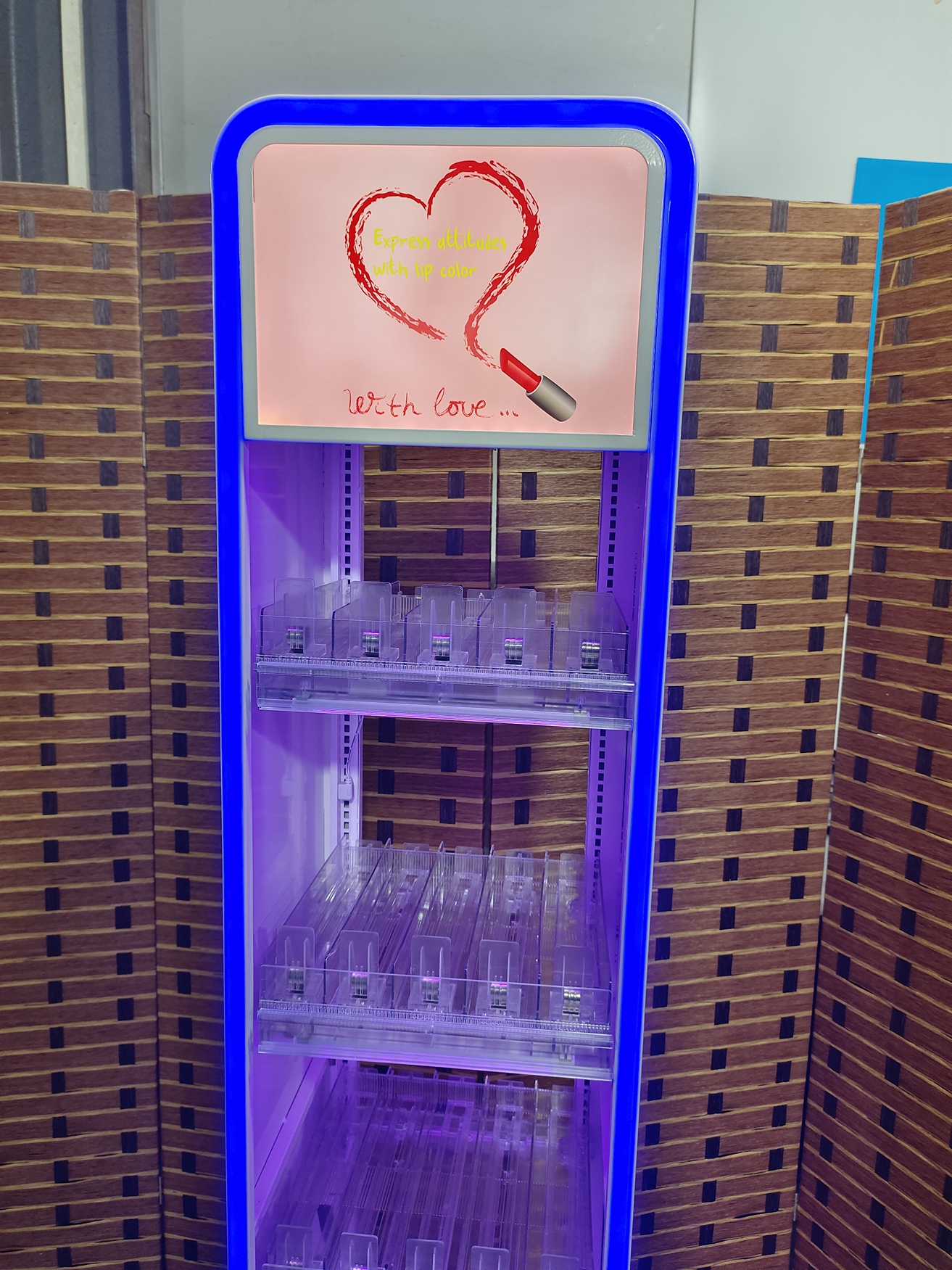
Lighting and material clarity define the success of beauty and accessory merchandising. Utilizing an LED lighted cosmetic display stand accurately highlights product textures. It ensures color fidelity and draws immediate attention in visually saturated beauty aisles. Proper illumination prevents shadows that can make premium cosmetics look dull. For high-end accessories, deploying an LED lit acrylic exhibition rack maximizes light dispersion and elevates the perceived item value. Balancing aesthetic appeal with practical durability is necessary. You must integrate scratch-resistant coatings and maintain long-term material clarity in high-traffic zones.
Acrylic requires specific handling during installation. We leave the protective film on until the very last step to prevent micro-scratches from construction dust. When routing the LED wiring, we use concealed channels within the acrylic or metal frame to ensure shoppers cannot snag the cables. The power supplies are typically hidden in a locked base cabinet, keeping the visual focus entirely on the illuminated merchandise.
High-value goods require robust protection that does not alienate the buyer. Integrating locking mechanisms, tethering systems, and reinforced glass into the display design is critical. You must implement these features without introducing friction into the legitimate shopping experience. Evaluating the impact of secure displays on store-level operations reveals significant benefits. They improve inventory accuracy and can positively influence store insurance premiums. A well-designed lock should be invisible to the shopper but easily accessible to store associates with the correct key.
We frequently use mechanical recoil tethers for handheld electronics. These allow the customer to pick up the device, feel its weight, and interact with the screen, but prevent them from walking away with it. The tension on the tether must be calibrated correctly; too tight, and the customer gets frustrated; too loose, and the cables become a tangled mess on the counter.
Future-proofing your retail investment relies on smart engineering. Designing permanent outer shells with swappable internal graphics, digital screens, and shelving accommodates future product rollouts. This modularity prevents the need to replace the entire unit when product lines evolve. Standardizing footprints ensures scalability across diverse retail partners. A unified chassis design adapts easily from large big-box retailers to compact specialty boutiques.
Component | Permanent Element | Swappable Element |
|---|---|---|
Main Frame | Welded steel chassis | None |
Signage | Illuminated header box | Printed translucent graphic film |
Shelving | Slotted metal uprights | Adjustable acrylic or metal shelves |
Product Security | Concealed alarm module | Individual product tethers and sensors |
Store environments dictate strict physical parameters for any permanent installation. Navigating strict retailer guidelines includes adhering to height restrictions, ADA-compliant aisle clearance, and line-of-sight rules. Addressing logistical requirements for powered units is equally important. Securing reliable access to floor or ceiling outlets is mandatory for illuminated displays to function consistently. If a display blocks the view of the main aisle or security cameras, the retailer will force its removal.
Before manufacturing begins, we conduct site surveys to verify power drop locations. If a store only has ceiling power, the fixture must include a power pole to safely route the cables down to the unit. We also verify the exact dimensions of the store's base decks to ensure our fixtures sit flush against the existing gondolas without creating trip hazards.
Comparing the recurring design, manufacturing, and shipping costs of replacing temporary displays every few weeks reveals the true value of permanent fixtures. The amortized investment of a multi-year permanent fixture often outperforms the continuous spend on disposable materials. Factoring in hidden costs highlights the reliability of permanent solutions. Store-level non-compliance frequently results in temporary displays never making it to the floor. Permanent installations guarantee your placement and ensure your merchandising strategy is actually executed.
When you ship a cardboard display, it often gets crushed in the backroom or thrown into the compactor by busy store staff. A heavy-duty fixture requires a scheduled installation, meaning it actually makes it onto the floor. The initial freight and installation costs are higher, but the guarantee of execution provides a much stronger return on the merchandising budget over a three-year period.
Investing in permanent installations signals brand stability and financial health to retail buyers. This commitment often secures preferential floor placement and long-term retailer partnerships. Physical structural consistency builds long-term brand recall. It establishes a reliable, predictable destination for returning customers seeking your products. Understanding the trade-off of reduced agility is necessary. Permanent displays require longer lead times, rigorous prototyping, and a higher commitment to specific product lines.
Shoppers subconsciously judge a brand by its physical presentation. A premium skincare line displayed on a sagging cardboard shelf loses its prestige immediately. Placing that same product on a polished acrylic stand with integrated lighting reinforces the premium price tag. The fixture acts as a silent ambassador for the brand's quality standards.
Execution at the store level presents significant logistical challenges. Displays arriving damaged due to freight handling or store staff failing to assemble complex units correctly are common risks. Utilizing professional installation teams provides a white-glove service that guarantees proper setup. Pre-assembling components where freight dimensions allow reduces on-site errors. Providing highly visual, language-agnostic installation guides empowers store staff when self-assembly is unavoidable.
Ship fixtures fully assembled whenever freight dimensions and store doors permit.
Use custom-cut foam packaging to protect fragile acrylic and glass components during transit.
Hire dedicated third-party merchandisers to handle the installation rather than relying on store employees.
Require photographic proof of completion from the installation team before signing off on the project.
Technology integration introduces new failure points on the retail floor. Burnt-out LEDs, scratched acrylic, or broken interactive screens severely damage brand perception and render the display ineffective. Establishing a proactive maintenance schedule prevents minor issues from becoming major brand liabilities. Sourcing easily replaceable, modular components ensures quick fixes. Training field merchandisers on basic on-site repairs minimizes downtime and keeps the fixture looking pristine.
We design fixtures with front-accessible maintenance panels. If a media player fails, the technician should not have to dismantle the entire display or remove the merchandise to swap the unit. Using standardized, plug-and-play LED drivers allows for rapid replacement without requiring a licensed electrician on site.
Schedule quarterly preventative maintenance visits for all powered fixtures.
Stock spare parts (LED strips, power supplies, tethers) at regional distribution centers.
Implement a QR code reporting system on the fixture for store staff to easily log maintenance requests.
Permanent retail displays are strategic capital investments in brand equity, asset security, and sustained retail presence for high-value goods. When selecting a display manufacturing partner, prioritize vendors capable of balancing durable engineering with modularity. Ensure the fixture can evolve alongside product lifecycles and retail environments.
Audit your current retail footprint to identify opportunities for permanent upgrades.
Calculate the long-term financial value of existing temporary promotional materials to justify the shift.
Initiate a pilot program with a standardized permanent fixture in top-performing retail doors to measure impact.
Establish a clear maintenance protocol and budget before deploying powered units.
A: Engineered permanent displays typically last between three to five years on the retail floor. Their lifespan depends heavily on the materials used, store traffic levels, and adherence to a regular maintenance schedule.
A: Temporary displays require continuous reinvestment every few weeks for design, shipping, and setup. Permanent displays require a higher upfront investment but deliver sustained sales velocity and eliminate recurring replenishment costs over several years.
A: Permanent displays secure dedicated, long-term secondary placements that competitors cannot easily encroach upon. They feature modular components that allow brands to swap out graphics and shelving for new product launches without losing their established floor footprint.
A: Yes. They integrate durable pricing channels, permanent spec sheets, and interactive digital screens. This setup guides shoppers through complex features, acting as a self-guided educational tool that mimics a sales associate.
A: Illuminated units require reliable access to standard 110V or 220V floor or ceiling outlets. Brands must coordinate with retail partners during the design phase to ensure power drops are available at the approved installation location.
A: Brands must design fixtures that strictly adhere to retailer guidelines. This includes maintaining ADA-compliant aisle clearances, respecting maximum height restrictions, and preserving required store line-of-sight rules.
A: The entire process usually takes between 12 to 16 weeks. This timeline accounts for structural engineering, rigorous prototyping, retailer approval, mass production, and final freight logistics.