Please Choose Your Language
Views: 0 Author: Site Editor Publish Time: 2026-11-11 Origin: Site
A display stand should do more than hold products. It should attract attention and improve product visibility. A quality acrylic display stand combines transparency, durability, and functionality. This guide explores its key features, design options, materials, and retail applications.
A quality acrylic display stand should balance appearance and functionality. Its design needs to support the displayed products. It should also fit the available retail space and daily operating needs.
Six features deserve particular attention. These include transparency, material quality, structural stability, product organization, flexible layouts, and customization. Each feature contributes to the overall display experience.
Transparency is one of acrylic's most useful features. Clear panels allow customers to see products from different angles. They also reduce visual barriers between merchandise and shoppers.
This quality works well for jewelry, cosmetics, eyewear, and packaged products. Customers can examine product details without moving the display. Retailers can also create layered presentations without blocking the items behind them.
However, transparency depends on material quality and surface condition. Scratches, bubbles, and cloudy areas can affect visual clarity. Good material selection and proper finishing help maintain an attractive appearance.
Material quality influences the strength and appearance of a display. Buyers should check transparency, surface consistency, and manufacturing defects. The material should also suit the product's weight and intended use.
Acrylic thickness affects stiffness and structural performance. Thin panels may work for lightweight promotional items. Heavier merchandise may require thicker panels or additional supports. The correct choice depends on dimensions, load, and structural design.
Cast and extruded acrylic offer different processing characteristics. Cast acrylic is often selected for fabrication and polishing applications. Extruded acrylic can provide consistent thickness and efficient production. Neither option is automatically better for every design.
Tip: Ask suppliers to recommend material thickness based on actual product weight and display dimensions. Avoid choosing thickness by appearance alone.
A stable base helps keep the display in position. Support panels and joints transfer product weight through the structure. Their design should match the expected load and center of gravity.
A tall stand with a narrow base may become unstable. Uneven product placement can increase this risk. Heavier products should sit near suitable support points whenever possible.
Load capacity should be considered during design. Buyers can request a practical loading test for demanding applications. The test should reflect normal product placement and expected use.
Compartments help keep merchandise organized. They separate products and make individual items easier to view. Different layouts can support different product shapes and sizes.
Jewelry displays may use hooks, ring holders, and tiered platforms. Eyewear racks need frame supports and suitable spacing. Packaged products may require square compartments or adjustable dividers.
A good layout should also support restocking. Staff need enough space to place and remove products. Customers should be able to view items without disturbing nearby merchandise.
Retail counters and shelves often have limited space. Compact structures help businesses display more products in a smaller area. Multi-tier designs can use vertical space more effectively.
Wall-mounted displays move merchandise away from crowded counters. Countertop stands keep products close to customers. Modular designs allow retailers to change arrangements as product ranges develop.
The right layout depends on store traffic and product size. A crowded display can make products difficult to identify. Leave enough space for clear viewing and convenient access.
Customization helps a display match a brand's visual identity. Buyers can specify dimensions, colors, logos, and printed graphics. These details create a more consistent retail presentation.
UV printing works for detailed graphics and colorful artwork. Silk-screen printing suits certain repeated graphic applications. Laser engraving creates a different surface effect. The best method depends on artwork, material, and production requirements.
Logo placement should support product visibility. Large graphics may compete with the merchandise. A balanced design keeps branding visible without distracting customers.
A display should work well during everyday retail operations. Its structure should support quick setup, easy access, and convenient product arrangement. Small design details can make a noticeable difference.
Retailers should consider how staff use the stand. They should also think about how customers interact with displayed products. These factors help determine which functional features are worth adding.
Removable components make display layouts easier to adjust. Retailers can change holders or partitions when product ranges change. This reduces the need to replace the complete display.
Modular structures also support different product arrangements. A jewelry stand may use interchangeable holders. A countertop display may use removable dividers for different package sizes.
However, connections should remain secure during use. Loose components can affect product stability. Check how parts attach and whether replacement components are available.
Easy assembly reduces installation work. Detachable panels and simple connections can make setup faster. They also help retailers move displays between locations.
Flat-pack structures can reduce storage and shipping space. This approach may suit displays with removable panels or separate holders. Protective packaging remains important during transportation.
Assembly instructions should be clear and easy to follow. Check whether the design needs special tools. For large retail projects, confirm installation requirements before delivery.
Display angles influence how customers see merchandise. Upright holders can make products easier to examine. Inclined platforms may improve visibility from a standing position.
Shelf spacing also affects customer interaction. Products should remain easy to reach and remove. Avoid layouts that require customers to move several items to access one product.
The best arrangement depends on product shape and store layout. Test the display using actual merchandise. Check visibility from normal customer viewing positions.
Material selection determines more than appearance. Processing accuracy and surface finishing also influence product quality. Buyers should examine these details before choosing a display.
A good acrylic display stand should have consistent surfaces and accurate dimensions. Its edges should be properly finished. Connections should also match the intended application.
Accurate cutting helps components fit together properly. CNC cutting and laser processing can support detailed shapes. The suitable method depends on material thickness and design requirements.
Edge polishing improves the appearance of exposed edges. It can create a smoother and clearer finish. Poorly processed edges may look rough or uneven.
Buyers should inspect corners and connection points carefully. Check for chips, sharp edges, and irregular cuts. These details affect both appearance and handling safety.
Acrylic surfaces can develop scratches during handling. Dust, rough materials, and improper cleaning may leave visible marks. These defects can reduce the quality of product presentation.
Protective films can help during storage and transportation. They should remain in place until installation when appropriate. Staff should use soft cleaning materials after removing the film.
No ordinary acrylic surface should be assumed scratch-proof. Buyers should discuss protective treatments when the application requires them. They should also confirm how those treatments affect transparency and maintenance.
All-acrylic structures create a consistent appearance. They can suit products that benefit from clear, uninterrupted presentation. Their performance still depends on thickness and structural design.
Some displays combine acrylic with aluminum, wood, or metal. Metal supports can provide additional structural functions. Wooden bases can introduce a different visual style. Acrylic panels maintain product visibility.
Material combinations require careful connection design. Different materials may expand or respond differently to environmental conditions. Confirm how the components are joined and maintained.
Application example
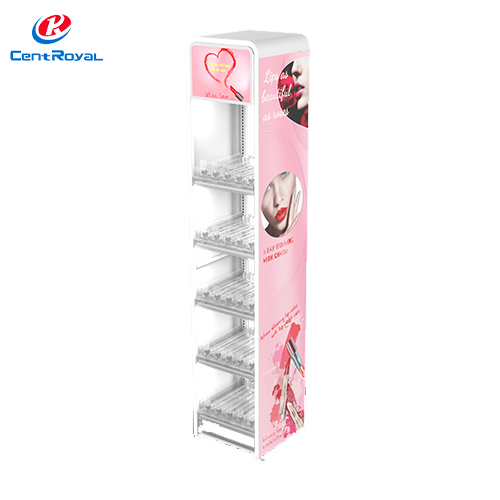
A display for cosmetics may combine clear acrylic shelves and integrated lighting. A LED lighted cosmetic display stand illustrates how lighting can support product presentation. The lighting arrangement should remain accessible for maintenance.
Note: Confirm the exact material and finish of every component. A mixed-material display should not be treated as an all-acrylic product.
Some products need more protection than ordinary countertop merchandise. Valuable items may require restricted access. Larger displays also need secure mounting and stable connections.
Security and safety features should match the retail environment. Adding unnecessary hardware can increase cost and complexity. The goal is to protect products while keeping them easy to present.
Lockable compartments can help protect valuable merchandise. They are useful for eyewear, jewelry, and selected electronic products. Staff can control access while customers view the items.
Buyers should check the lock position and opening method. The mechanism should be easy for authorized staff to operate. It should also avoid interfering with product visibility.
A lock does not replace store security procedures. Retailers should consider display placement and staff supervision. Choose a locking design based on the actual risk level.
Wall-mounted displays need suitable fixing points. The wall material and expected load influence mounting requirements. Use compatible anchors and follow installation guidance.
Countertop displays also need secure bases. A wide base can improve stability for taller structures. Reinforced joints may help support heavier products.
Check screws, connectors, and mounting brackets periodically. Loose connections can affect stability. Professional installation may be appropriate for larger or heavier displays.
Smooth edges reduce the risk of cuts during handling. Rounded corners may suit displays used in busy retail areas. The finish should remain consistent across exposed surfaces.
Product holders should fit the merchandise securely. Oversized holders may allow items to move. Tight holders can make products difficult to remove or damage packaging.
Spacing is equally important. Customers need room to handle products comfortably. Staff should also be able to restock the display without forcing items into position.
Different products require different display arrangements. A feature that works well for jewelry may not suit eyewear or packaged merchandise. Buyers should match the structure to the products and retail environment.
The following examples show how display requirements can change. They also explain which features provide the most practical value in each application.
Jewelry displays need organized holders and clear product visibility. Rings, earrings, bracelets, and necklaces have different shapes. Separate holders help prevent items from becoming mixed together.
Tiered platforms make better use of vertical space. Multiple display sections allow retailers to group products by style. Coordinated display sets can also create a consistent presentation.
Removable holders provide additional flexibility. Retailers can adjust the arrangement when collections change. Compact designs are especially useful for counters with limited space.
Eyewear displays need suitable frame holders and viewing positions. Each pair should remain stable during customer handling. Adequate spacing also helps customers compare different frames.
Wall-mounted designs can save valuable counter space. Lockable structures provide additional protection for selected products. Aluminum supports may also help create a stronger display structure.
Consider the number of frames and available wall area. Check whether staff can remove and replace products easily. The layout should support both presentation and daily store operations.
Countertop displays are useful for smaller retail merchandise. They can organize packaged products, cosmetics, accessories, and promotional items. Their compact footprint helps retailers use counter space efficiently.
Square compartments work well for products with regular packaging. Tiered platforms can improve visibility across multiple product rows. Custom dividers help keep different items organized.
Branding and lighting can add further value. A suitable logo helps identify the product range. Integrated lighting may attract attention in suitable retail environments.
For example, a customizable tiered acrylic desktop display demonstrates how multiple levels can organize smaller merchandise. The final layout should still match actual product dimensions and customer access requirements.
Not every project needs every available feature. Buyers should identify their main merchandising goals first. This helps control design complexity and avoid unnecessary costs.
Product visibility, durability, and customization are useful starting points. Their relative importance depends on merchandise type and store conditions. A clear priority list makes design decisions easier.
Choose high transparency when product details need to remain visible. Clear panels can reduce visual obstruction. Polished surfaces also help create a clean presentation.
Display angles should match normal customer viewing positions. Raised platforms may help smaller products stand out. Suitable spacing prevents merchandise from looking crowded.
Lighting can provide additional visual support. However, it should not create glare or hide product details. Test the complete display under actual store lighting.
Material thickness should match the expected load. Stable bases and secure connections support daily operation. Proper finishing also helps maintain a professional appearance.
Consider how frequently staff move or rearrange the display. Modular components may help stores update product layouts. Easy assembly can reduce installation work.
Maintenance requirements deserve attention too. Smooth surfaces are generally easier to clean. Replaceable components may simplify repairs when individual parts become damaged.
Custom dimensions help displays fit specific products. Colors and logos support brand recognition. Printed graphics can also communicate product information.
Modular layouts provide flexibility for changing merchandise. Mixed materials can create different visual styles. Choose customization options based on actual retail needs.
A rotating design may suit stores displaying many small products. A rotating multi-tier display stand illustrates how multiple levels and mobility can support flexible merchandising. Buyers should check rotation clearance, base stability, and caster requirements before selecting this design.
Acrylic Display Stand Feature Comparison
Feature | Main Function | Key Benefit |
|---|---|---|
High transparency | Product visibility | Clear presentation |
Durable acrylic | Structural performance | Reliable daily use |
Stable base | Load support | Reduced tipping risk |
Multiple compartments | Product organization | Better merchandising |
Modular design | Layout flexibility | Adaptable display |
Custom branding | Brand presentation | Consistent identity |
Lockable structure | Product protection | Controlled access |
Easy assembly | Installation and transport | Greater convenience |
Integrated lighting | Visual presentation | Improved product focus |
Rotating structure | Product access | Flexible viewing |
Tip: Rank the three most important features for your project. This helps suppliers focus on the functions that matter most.
A quality acrylic display stand combines transparency, durability, stability, and functionality. Custom layouts improve product visibility and retail organization.
CentRoyal offers versatile retail display solutions. Its customized designs support different products and branding needs. These displays help businesses create effective product presentations.
A: Transparency, durability, stability, and functional compartments improve product presentation.
A: Quality acrylic improves clarity, strength, and display durability.
A: Clear panels, suitable angles, and tiered layouts keep products visible.
A: Yes. Custom sizes, colors, logos, and compartments support different products.
A: Yes. Lockable structures and secure mounting provide additional protection.
A: Material thickness, structural stability, finishing, and proper maintenance.