Please Choose Your Language
Views: 0 Author: Site Editor Publish Time: 2026-11-02 Origin: Site
Retail shelving functions as much more than a simple storage solution. It serves as a critical component of store architecture, directly influencing customer flow, product perception, and visual merchandising effectiveness. The physical fixtures you choose dictate how shoppers interact with your merchandise and how they subconsciously value your brand. Store owners and retail planners constantly face a strict trade-off. They must balance the aesthetic warmth required to build a compelling brand identity against the structural durability needed to survive high-traffic environments, heavy merchandise loads, and frequent layout changes.
Selecting the wrong material leads to sagging shelves, chipped finishes, and compromised safety. Choosing the right system maximizes floor space and elevates the perceived value of the products displayed. This guide provides a technical, evidence-based comparison of wood, metal, and hybrid shelving systems. We evaluate structural integrity, aesthetic impact, and operational flexibility to determine the most durable and brand-aligned fixture strategy for permanent stores and pop-up retail.
Brand Alignment vs. Durability: Wood excels in creating premium, rustic, or organic environments, while metal provides unmatched load-bearing capacity, a clean modern aesthetic, and longevity for high-volume retail.
The Hybrid Compromise: Mixed-material fixtures (e.g., steel frames with wood shelving) offer a strategic middle ground, balancing structural integrity with aesthetic appeal.
Scalability and Portability: Metal systems generally offer superior modularity and easier reconfiguration for evolving store layouts or temporary market setups compared to fixed, heavy wooden units.
Before evaluating specific materials, you must establish baseline metrics for your merchandise. Product weight, dimensions, and turnover velocity dictate the structural requirements of your shelving. Heavy items like 50-pound bags of pet food, automotive batteries, or bulk liquid detergents require high tensile strength and resistance to point loading. Lighter items like apparel, boxed cosmetics, or greeting cards allow for more flexible material choices. You must also consider the susceptibility of the shelving to damage. Rigid materials handle heavy static loads well but may fail under sudden impact. Evaluate how staff load and unload inventory daily. High-velocity goods require fixtures that withstand the constant friction of restocking without showing premature wear.
Material choices subconsciously signal your brand ethos to the consumer. Natural textures and warm tones communicate authenticity, heritage, and premium quality. Clean lines and reflective surfaces project modernity, efficiency, and value. The physical environment must align with the expectations set by your marketing. A luxury boutique utilizing raw, unfinished wire racks creates a cognitive disconnect for the shopper. Conversely, an auto parts store using polished mahogany shelving wastes capital on unnecessary aesthetics while risking rapid damage to the fixtures.
Retail spaces are rarely static. Seasonal promotions, inventory shifts, and changing consumer trends require adaptable layouts. Modularity is a primary success factor. Consider how easily floor staff can adjust shelf heights, add extensions, or relocate fixtures without requiring specialized tools or outside contractors. The environment also plays a role. A permanent flagship store benefits from heavy, fixed architectural elements. A temporary pop-up shop or a booth at a local market demands lightweight, collapsible systems that prioritize rapid setup and teardown over long-term permanence.
To properly assess your operational needs, follow this standard site evaluation protocol:
Measure the total linear footage available for wall displays versus center-floor gondolas.
Calculate the maximum weight per linear foot based on your heaviest product category.
Determine the frequency of your floor set changes (e.g., monthly, quarterly, annually).
Assess the flooring material to ensure it can support the combined weight of heavy fixtures and fully loaded shelves.
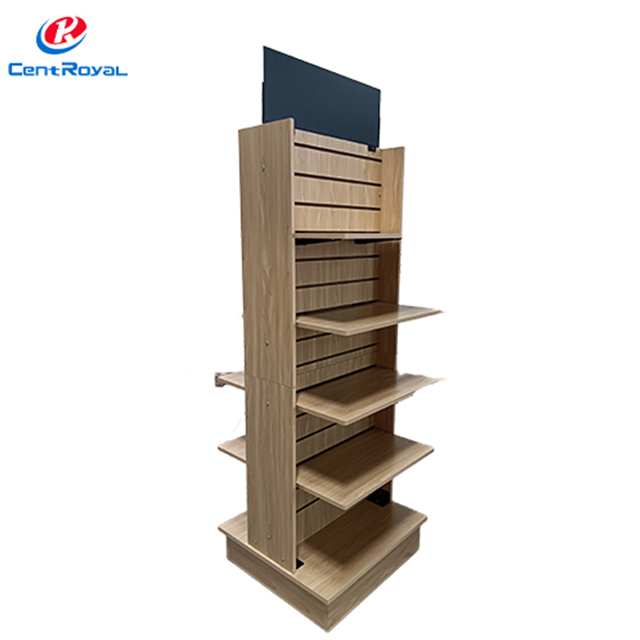
Natural materials inherently draw the human eye. A well-crafted wooden display stand serves as the standard for boutiques, organic grocers, and luxury apparel shops because it introduces an element of organic warmth that synthetic materials cannot replicate. The psychological impact of natural grain textures encourages shoppers to slow down and spend more time browsing. This increased dwell time directly correlates with higher conversion rates. Wood supports rustic, farmhouse, or heritage brand narratives flawlessly. It grounds the retail space, making high-end merchandise feel approachable and artisanal products feel authentic.
Not all wood fixtures offer the same performance. The specific type of wood dictates both the visual appeal and the structural limits of the fixture. Retailers must match the wood species to the specific demands of their merchandise.
Wood Category | Common Species | Load Capacity | Moisture Resistance | Best Retail Application |
|---|---|---|---|---|
Solid Hardwood | Oak, Maple, Walnut | High | Medium | Luxury apparel, fine wine, premium electronics |
Solid Softwood | Pine, Cedar, Fir | Low to Medium | Low | Temporary displays, lightweight rustic goods, bakeries |
Engineered Wood | MDF, Plywood with Veneer | Medium | Low | General merchandise, cosmetics, folded apparel |
Solid hardwoods resist denting and scratching better than other woods but require a significant upfront investment. Softwoods provide a rustic look but are highly susceptible to gouges and dents in commercial settings. Engineered woods offer a stable, uniform appearance and resist warping better than solid wood, though they lack the ultimate load-bearing capacity of solid hardwoods.
Despite its visual appeal, wood introduces specific operational challenges. A wooden display stand for shop environments is vulnerable to moisture fluctuations. High humidity causes solid wood to swell and warp, while excessively dry air leads to cracking. In high-traffic zones, the base of wooden fixtures frequently suffers from chipping caused by shopping carts, strollers, and floor cleaning equipment. Furthermore, custom wooden millwork is typically static. Once built and installed, reconfiguring these heavy units for seasonal changes requires significant labor. The sheer weight of solid wood makes relocation difficult, limiting your ability to refresh the store layout dynamically.
When inventory weight increases, metal becomes the mandatory choice. The tensile strength of commercial-grade metal fixtures far exceeds that of wood or acrylic. Heavy-duty powder-coated steel handles massive point loads without deflecting or bowing. Lightweight aluminum offers excellent strength-to-weight ratios for mobile fixtures, while wrought iron provides rigid support with a distinct architectural flair. A standard metal display stand for retail easily supports hundreds of pounds per shelf, making it the only viable option for hardware, bulk grocery, and large appliance displays. The structural rigidity ensures that shelves remain perfectly flat, maintaining a clean visual line across long aisles.
Metal fixtures excel in harsh retail environments. They resist the environmental factors that destroy wood, such as humidity shifts and temperature extremes. Steel and aluminum shrug off physical impacts from heavy inventory loading and careless shopping carts. This resilience translates directly to a superior long-term return on investment. A quality metal gondola system easily lasts 10 to 15 years with zero structural degradation. You avoid the recurring maintenance associated with sanding, staining, or replacing damaged wooden panels. The initial capital expenditure yields a fixture that performs consistently day after day.
The primary criticism of metal shelving is its perceived coldness. Unfinished or poorly designed metal racks look like warehouse storage, which degrades the shopping experience in a premium retail environment. However, modern finishing techniques completely mitigate this issue. By selecting the right finish, you elevate metal from a purely functional material to a sophisticated design element.
Metal Finish | Visual Characteristic | Durability | Ideal Retail Environment |
|---|---|---|---|
Matte Powder Coat | Soft, non-reflective texture | Very High | Modern apparel, boutique fitness, cosmetics |
Brushed Aluminum | Sleek, high-tech appearance | High | Consumer electronics, sporting goods |
Anodized Finish | Deep, integrated color | Extreme | Outdoor gear, high-traffic grocery |
Raw Clear-Coated Steel | Industrial, exposed welds | Medium | Urban streetwear, craft breweries |
You do not have to choose strictly between aesthetics and strength. Hybrid fixtures combine the best attributes of both materials. By utilizing a steel chassis or frame, you secure the structural integrity necessary to prevent racking, swaying, and shelf deflection. Inserting wooden shelves into this metal frame introduces the premium tactile experience customers expect. A well-engineered wood and metal tiered display stand distributes weight efficiently through the steel uprights while presenting a warm, organic face to the shopper. This engineering approach maximizes load capacity without sacrificing the boutique atmosphere.
Mixed-material designs dominate modern retail architecture. Specific sectors benefit immensely from this hybrid strategy.
Specialty Food and Beverage: Wine shops and artisanal grocers use hybrid racks to support heavy glass bottles safely while maintaining a rustic vineyard aesthetic.
High-End Electronics: The combination of matte black steel and rich walnut veneers creates a sophisticated backdrop for premium audio and visual equipment.
Modern Apparel: Clothing retailers utilize metal frames for hanging garments alongside wooden shelving for folded inventory, creating visual contrast and breaking up long aisles.
Health and Wellness: Supplement stores use hybrid tiered stands to display heavy tubs of protein powder on reinforced metal bases while featuring lighter vitamins on upper wooden tiers.
The modularity of hybrid systems is a major advantage. If a wooden shelf suffers damage, staff can swap out the individual panel in seconds while the permanent metal frame remains intact and fully operational.
Capital allocation requires a clear understanding of both immediate and future expenses. Custom wooden millwork carries a high initial fabrication cost. Skilled carpenters must cut, assemble, and finish each piece, driving up labor expenses. Conversely, metal shelving benefits from standardized manufacturing. Stamped steel parts and automated powder coating lines reduce the per-unit production time significantly. While a premium wooden display stand for retail requires a larger upfront budget, standardized metal gondolas stretch your opening capital further. Over a ten-year horizon, metal systems yield a higher ROI due to their zero-maintenance requirements and structural longevity.
Scaling a retail footprint demands standardized, repeatable processes. Metal systems dominate in this category. Flat-pack metal gondolas assemble rapidly using slot-and-tab or boltless designs. Store staff can reconfigure shelf heights in one-inch increments without tools. Custom wooden fixtures often require screws, glue, and specialized labor to modify.
Standard metal gondola assembly follows a highly efficient sequence:
Unpack and inventory all vertical uprights and base shoes.
Lock base shoes into uprights using a rubber mallet to ensure flush seating.
Install the back panels (pegboard or solid steel) starting from the bottom up.
Insert cantilever arms at desired heights.
Drop shelves into place and secure ticket moldings.
This standardized process allows a small team to build out an entire store aisle in hours, whereas custom wood installations can take days.
Temporary retail activations, craft fairs, and pop-up shops require specialized logistics. Heavy solid wood fixtures fail in these environments. They require multiple people to lift, take up excessive space in transport vehicles, and risk damage during constant loading and unloading. Lightweight aluminum frames or metal grid systems provide the ideal solution. They flat-pack efficiently, assemble in minutes without tools, and offer high stability on uneven temporary flooring. When rapid setup and teardown dictate your operational success, collapsible metal systems outperform rigid wood every time.
Daily store operations include rigorous cleaning protocols. Metal surfaces streamline this process. Powder-coated steel withstands harsh chemical sanitizers without fading or degrading. Dust and spills wipe away instantly. Wood requires a more delicate approach. Harsh chemicals strip clear coats and damage veneers. Wood demands specific polishes to maintain its luster and requires immediate attention to spills to prevent liquid absorption and swelling. In environments prone to spills, such as grocery or cosmetic retail, metal fixtures drastically reduce daily maintenance labor.
Procurement extends beyond the purchase price of the fixture; you must factor in freight logistics. Solid wood fixtures are exceptionally heavy and often ship fully assembled. This results in high freight classes and massive dimensional weight charges. Shipping custom millwork to multiple store locations across the country rapidly depletes budgets. Metal systems, particularly flat-pack gondolas and wire racks, ship densely. You can fit significantly more linear feet of metal shelving on a single pallet compared to pre-assembled wood. This logistical efficiency makes metal the preferred choice for national rollouts and multi-store expansions.
Commercial retail spaces operate under strict fire safety regulations. Local fire marshals scrutinize store layouts and material choices before issuing occupancy permits. Metal inherently meets stringent fire codes. It does not contribute fuel to a fire and maintains structural integrity longer under extreme heat. Wood introduces compliance hurdles. Depending on your jurisdiction and the volume of wood used, you may need to apply specific fire-retardant intumescent treatments. Furthermore, solid wooden shelves can obstruct overhead sprinkler patterns, whereas metal wire grid shelves allow water to pass through, satisfying strict fire suppression requirements.
There is no universal material that solves every retail display challenge. The optimal choice depends entirely on the intersection of your merchandise weight, brand aesthetic, portability needs, and budget constraints. Metal delivers uncompromising strength, scalability, and efficiency for high-volume environments. Wood provides the tactile warmth and premium aesthetic necessary for luxury and artisanal branding. Hybrid systems bridge the gap, offering engineered strength wrapped in a sophisticated design.
To make the most effective decision for your retail space, follow these actionable steps:
Audit your heaviest merchandise to determine the absolute minimum load-bearing requirements for your shelves.
Request physical material samples of both powder-coated metal and finished wood to evaluate how they interact with your store lighting.
Map out your store layout to identify which zones require permanent architectural fixtures and which require modular, highly adjustable shelving.
Consult with a retail fixture engineer to calculate exact point-load limits before finalizing any bulk procurement.
A: Custom solid wood millwork generally requires a higher upfront investment due to labor-intensive fabrication and finishing. Standardized metal gondolas benefit from mass manufacturing, making them more cost-effective initially. However, engineered woods like MDF can sometimes undercut the initial investment required for heavy-duty steel systems.
A: Weight capacity varies drastically based on construction. A well-braced solid hardwood shelf can hold 50 to 100 pounds per linear foot. However, standard MDF or pine shelves may bow under 30 pounds of sustained weight. Structural design and bracing matter just as much as the material itself.
A: Commercial metal fixtures rarely rust indoors. They are protected by thick powder coatings, baked-on enamels, or anodized finishes that seal the raw metal away from oxygen and moisture. As long as the protective coating remains unchipped, oxidation is not a concern.
A: Yes. Mixing materials is a dominant trend in modern retail design. Retailers frequently use heavy-duty metal gondolas for the main aisles to handle bulk inventory, while installing custom wood end-caps to highlight premium merchandise and warm up the overall store aesthetic.
A: Reinforced steel is the only recommended material for exceptionally heavy goods. It provides the necessary tensile strength to prevent shelf deflection, ensures customer safety, and complies with commercial load-bearing standards for high-density inventory.
A: Lightweight aluminum or metal grid systems are superior for temporary setups. They flat-pack easily, weigh significantly less than wood, and allow for rapid, tool-free assembly and teardown, which is critical for mobile retail operations.
A: Metal fixtures inherently comply with most commercial fire codes because they are non-combustible. Wood fixtures may require specialized fire-retardant coatings to meet local regulations. Additionally, solid shelves can block sprinkler systems, whereas metal wire shelves allow water flow.