
Views: 0 Author: Site Editor Publish Time: 2026-09-15 Origin: Site


Retailers and collectors frequently face a difficult merchandising dilemma. They naturally gravitate toward the modern, sleek aesthetic of industrial fixtures. However, this hard minimalist look fundamentally clashes against the fragile, organic nature of pearls. Improper storage leads to devastating consequences for these delicate gems. Harsh contact points cause irreversible nacre damage. Over time, you notice a distinct loss of luster and significantly decreased valuation.
You simply cannot polish away deep surface scratches on a pearl. This article provides an objective, evidence-based evaluation of popular display materials. We aim to help jewelers, curators, and collectors make safe, long-term purchasing decisions. We will explore the physics of gem storage and identify practical alternatives to bare iron or brass. You will learn exactly how to balance visual appeal and strict conservation standards to keep your inventory pristine.
Hardness mismatch: Bare metal consistently ranks higher on the Mohs hardness scale than pearls, creating a high risk of abrasion.
Chemical risks: Uncoated or tarnishing metals can transfer discoloration to porous pearl surfaces.
Safe alternatives exist: Coated metals, Metal Acrylic Jewelry Display Racks, and Flannel Lined Jewelry Display Stands mitigate friction risks while preserving aesthetic appeal.
Display physics matter: Hanging heavy pearl strands on thin metal hooks can stretch silk threading, regardless of nacre safety.
Understanding gemology is crucial when selecting proper fixtures. You cannot treat pearls like diamonds or sapphires. Proper Jewelry Display Stands must account for the unique vulnerabilities of organic gemstones. Science dictates how we should store and handle them daily.
The primary concern stems from the Mohs hardness gap. Gemologists use the Mohs scale to measure a mineral's resistance to scratching. Pearls rank dangerously low, scoring between 2.5 and 3.0. In contrast, common display metals like iron, brass, and steel range from 4.0 to well over 6.0. This physical disparity means metal will easily scratch a pearl upon direct contact. Even light friction from removing a necklace from a hook can carve micro-abrasions into the surface.
Organic composition constraints further complicate storage. Pearls consist of concentric layers of calcium carbonate, known as nacre. Nacre remains highly sensitive to environmental factors and physical friction. It easily absorbs chemicals, oils, and particulate matter. Micro-scratches trap dust and degrade the gem's natural iridescence.
These material vulnerabilities carry a severe business and valuation impact. For retailers and serious collectors, surface conditions dictate market value. Minor abrasions directly downgrade grading classifications. A scratched pearl loses its "excellent" luster rating immediately. Resale value plummets. Retailers lose margin when inventory degrades on the showroom floor. You must prioritize material safety over pure visual aesthetics to protect your investment.
Store owners frequently shortlist Metal Jewelry Display Stands for understandable reasons. They offer high durability and heavy base stability. A weighted brass or steel base prevents tipping in busy retail environments. Minimalist wire structures also provide excellent visual merchandising capabilities. They keep the customer's focus entirely on the jewelry rather than a bulky fixture.
Despite these benefits, the implementation realities expose severe risks. Direct contact abrasion occurs constantly at hanging points or resting trays. A heavy pearl strand swinging against a raw steel post suffers immediate micro-damage. Furthermore, you face significant chemical reactivity risks. Many base metals oxidize, rust, or tarnish when exposed to ambient humidity. Copper alloys and brass turn green or black over time. If a porous pearl rests against tarnished metal, it can absorb that oxidation. This transfers permanent, irreversible discoloration deep into the nacre.
Table: Functional Benefits vs. Material Risks of Bare Metal Fixtures
Evaluation Category |
Functional Benefits (Why buyers choose them) |
Material Risks (Why pearls suffer) |
|---|---|---|
Structural Stability |
Heavy metal bases prevent accidental tipping on crowded counters. |
Rigid, unyielding structures create harsh impact points for soft gems. |
Visual Aesthetics |
Minimalist profiles offer modern, clean merchandising lines. |
Thin wire hooks concentrate weight, stretching delicate silk threading. |
Material Durability |
Stands last for decades without chipping or snapping. |
Raw metals oxidize, transferring toxic tarnish to porous nacre surfaces. |
The final verdict on bare metal is clear. Unmodified, raw, or thin wire metal displays remain strongly discouraged for direct contact with soft organic gemstones. The structural benefits simply do not outweigh the catastrophic risks to the jewelry.
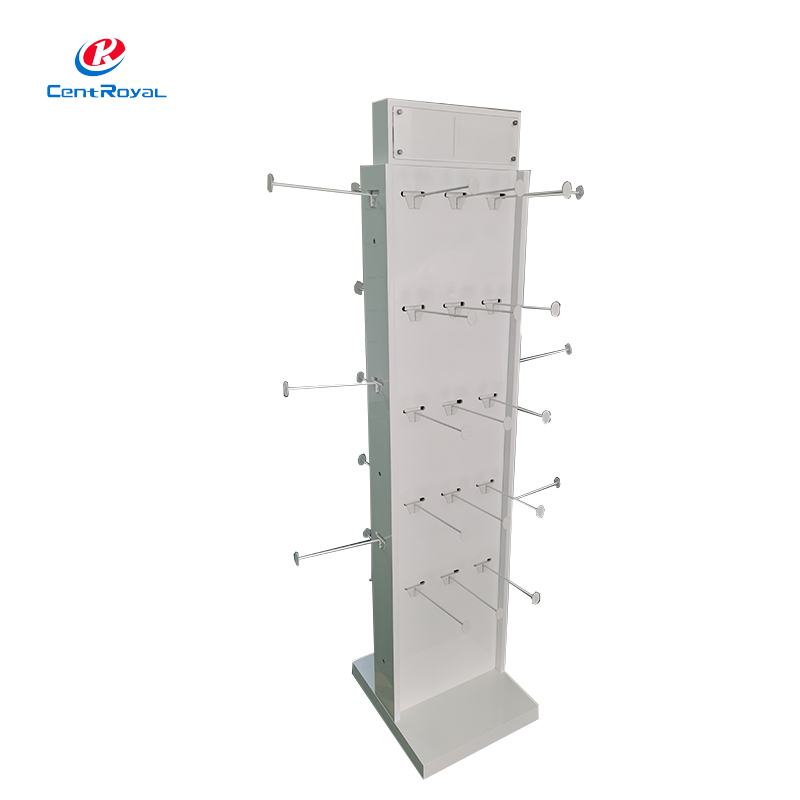
You do not have to abandon metal bases entirely. Hybrid models solve the structural problem elegantly. By utilizing Metal Acrylic Jewelry Display Racks, you combine the best of both materials. These designs use a heavy metal base for structural weight while utilizing smooth acrylic for the actual contact hooks and platforms.
This hybrid approach prevents direct metal-to-pearl contact. Acrylic acts as a safe, smooth protective buffer. However, not all acrylic components meet gemological safety standards. You must evaluate the manufacturing quality before trusting it with valuable inventory.
Follow these evaluation criteria for acrylic components:
Laser-cut precision: Ensure the manufacturer cuts the acrylic using precision lasers rather than mechanical saws. Saws leave microscopic burrs behind.
Flame-polished edges: Check the edges of every hook and tray. Flame polishing melts the acrylic slightly, creating a perfectly smooth, glass-like finish. Rough acrylic seams will still cause micro-abrasions over time.
Thickness testing: Verify the acrylic pegs are thick enough to distribute weight evenly, avoiding sharp pinch points.
From a scalability and maintenance perspective, acrylic excels. It remains chemically inert under normal conditions. It will not oxidize, rust, or transfer tarnish. It does not react with ambient humidity or showroom lighting heat. This makes acrylic a highly reliable, low-risk contact point for pearls. You gain the stability of metal without the chemical and physical hazards.
If you want ultimate protection, fabric-lined fixtures remain the industry ideal. High-end boutiques consistently rely on Flannel Lined Jewelry Display Stands for their most valuable organic gems. These fixtures prioritize softness and chemical safety above all else.
Lined fixtures excel at friction elimination. Flannel, velvet, and microfiber linings provide a zero-abrasion resting surface for nacre. When a customer drops a pearl pendant onto a velvet tray, the fabric absorbs the impact. The fibers cushion the calcium carbonate, entirely eliminating scratching risks.
Weight distribution represents another critical advantage. Hanging heavy pearl strands on vertical hooks causes long-term structural damage. Gravity pulls on the heavy beads, slowly stretching the silk cord. This stretches the knots and creates ugly gaps between the pearls. Lined bust displays or flat resting trays solve this. They distribute the weight of the pearls evenly across a gentle incline or a flat surface. This prevents silk cord stretching, which is a common failure point in wire-rack hanging systems.
However, you must remain vigilant about compliance and material safety. Some manufacturers cut costs by using low-quality linings attached with cheap industrial glues. These glues often undergo off-gassing. They release acidic fumes into closed display cases over time. These solvent fumes react violently with pearls, causing severe long-term yellowing. Always emphasize evaluating displays assembled with non-reactive, solvent-free adhesives. Ask suppliers about their glue compliance before purchasing padded boards or busts for high-value organic gems.
Selecting the right fixture requires a methodical approach. You must audit your specific inventory needs before committing to a system. Use this practical decision framework to streamline your purchasing process.
Assess the Jewelry Type: Examine the weight and format of your pearls. Are you displaying heavy South Sea or Tahitian strands? These heavy pieces require flat lined trays or gently sloped padded busts to prevent silk stretching. Conversely, if you sell lightweight Akoya pearl earrings, you can safely use padded metal T-bars or acrylic posts.
Verify Contact Points: Audit the exact point where the pearl meets the stand. Never assume a display is safe based on looks alone. If the primary contact point is metal, verify its coating. Look for medical-grade silicone tubing, thick epoxy powder coating, or protective acrylic sheathing. Bare metal is an automatic disqualifier.
Environmental Compatibility: Pearls require a specific microclimate to thrive. They need trace amounts of ambient moisture to prevent the nacre from drying out and cracking. Ensure your chosen display allows for adequate airflow. Do not seal pearls in heat-trapping, airtight acrylic boxes under hot halogen lights. Open displays lined with breathable fabrics perform best.
By following this framework, you eliminate guesswork. You protect your inventory's luster while maintaining a professional, highly attractive retail environment.
Protecting organic gems requires deliberate, educated merchandising choices. The final verdict remains clear: bare metal is entirely unsafe for direct pearl contact. Its high hardness rating and tendency to oxidize create severe physical and chemical risks. However, you do not need to sacrifice modern aesthetics for safety. Metal-integrated stands utilizing proper buffering—like flame-polished acrylic or premium fabrics—prove highly effective.
We encourage you to audit your current storage setups immediately. Inspect your inventory for micro-abrasions or yellowing caused by improper fixtures. Transition away from raw wire racks. Explore vetted, non-abrasive display categories specifically tailored for organic gemstones. By upgrading your fixtures, you preserve the luster, structural integrity, and long-term valuation of your pearl collections.
A: It is not recommended to hang pearl necklaces due to the stretching of the silk cord. Gravity pulls the heavy beads downward, weakening the knots over time. If necessary for short-term retail display, the T-bar must be heavily padded or lined to prevent the metal from scratching the nacre.
A: Yes. Copper and brass oxidize naturally over time due to ambient humidity. Direct contact with porous pearls can transfer this oxidation directly into the gem. This chemical reaction leads to permanent, irreversible discoloration deep within the pearl's layers.
A: Breathable, acid-free fabrics offer the best protection. Flannel Lined Jewelry Display Stands or flat, silk-lined trays provide the safest environment. They offer the lowest risk of mechanical scratching while preventing silk cord stretching and chemical degradation.


