Please Choose Your Language
Views: 0 Author: Site Editor Publish Time: 2026-09-30 Origin: Site
National retail rollouts carry enormous financial stakes for beverage brands. Display failures, unpredictable shipping overages, and store-level rejections can easily ruin a merchandising campaign's return on investment. Liquids are exceptionally heavy compared to other packaged retail goods. They require incredibly robust fixtures to stay safe on the floor and prevent catastrophic spills. Yet, tight retail footprints and strict shipping budgets demand maximum structural efficiency. Finding the optimal balance between strength and logistical agility remains a constant challenge.
This guide provides an evidence-based material comparison to streamline your sourcing process. We will help procurement and brand managers select the ideal metal substrate carefully. You will learn exactly how to match your custom fixtures to your specific merchandising environments. Our analysis removes the guesswork from material selection, ensuring your next rollout succeeds.
Weight vs. Freight: Steel offers superior load-bearing capacity for heavy glass and bulk multipacks, but aluminum drastically reduces LTL freight shipping costs.
Environmental Exposure: Aluminum’s natural oxidation resistance makes it superior for high-condensation areas (like near coolers), whereas steel requires robust protective finishes.
Finish Matters: Both metals rely heavily on specialized finishes—like powder coating—to withstand retail wear and tear and maintain brand compliance.
You must understand the physical realities surrounding beverage merchandising before specifying materials. Brands often underestimate the daily stress placed on retail fixtures. We see numerous campaigns stumble because buyers ignore basic floor-level realities.
Liquids create immense structural demands. A standard 12-pack of soda weighs approximately 10 pounds. A full case of wine easily hits 35 pounds. When you populate a standard four-shelf unit, the total load frequently exceeds 200 pounds. You need fixtures capable of supporting these heavy loads safely over long periods. Sagging shelves destroy consumer confidence instantly. Unstable units create severe liability risks inside busy stores. You must prioritize structural integrity above all other design elements.
Retail associates dictate the ultimate success of your merchandising efforts. Store staff need to move, assemble, and restock Beverage Display Racks rapidly. They usually perform these tasks manually. Complex or excessively heavy materials make this process difficult. Unwieldy units frustrate workers immediately. When fixtures become too hard to handle, store teams abandon them in backrooms. Your design must empower easy manual handling to guarantee high placement rates. Lightweight components encourage enthusiastic adoption across regional store networks.
Retailer guidelines strictly dictate your final physical footprint. The choice of metal impacts component dimensions directly. Thicker extrusion walls take up valuable merchandising space. You must adhere to strict retailer fixture guidelines closely. Big-box stores demand highly efficient footprints. They want maximum product density per square foot. Ignoring these spatial constraints guarantees quick rejection from store managers. You must optimize the ratio between structural support and available shelf space.
Steel remains the dominant choice for heavy-duty retail environments. Industry professionals rely on its unyielding nature to secure high-volume merchandising zones. We find steel performs best under intense, static loads.
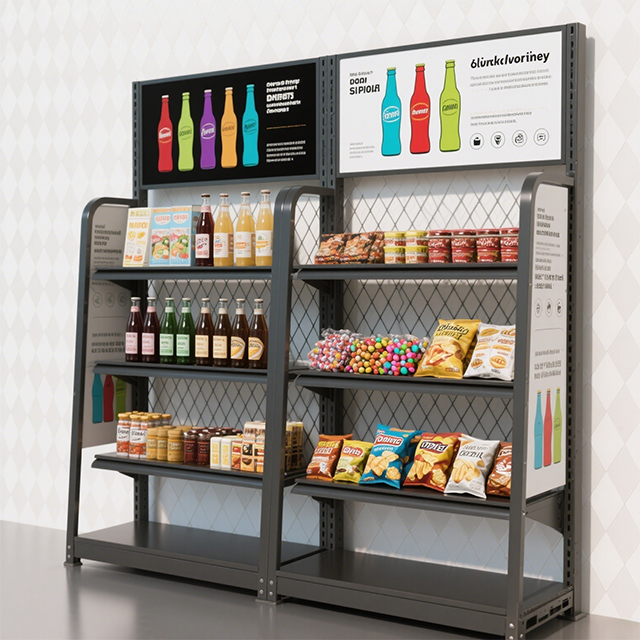
Steel offers unmatched tensile strength. It handles extreme downward pressure flawlessly. You will want steel for heavy glass bottles and large multipacks. Gallon water jugs also demand rigid support systems. Steel Beverage Display Racks prevent shelf bowing completely. The material resists bending even under unbalanced weight distribution. This rigidity provides peace of mind during massive national rollouts.
Fabricating cold-rolled steel becomes highly economical during large production runs. Raw steel generally costs less than alternative metals. Manufacturers stamp, bend, and weld steel rapidly. High-volume rollouts benefit massively from these reduced manufacturing costs. When you need thousands of identical units, steel stretches your fabrication budget significantly. Economies of scale work heavily in your favor here.
However, steel brings a major vulnerability. Moisture poses a constant threat to raw steel components. Spilled liquids and harsh floor-cleaning chemicals cause rapid corrosion. Rusted fixtures damage brand perception instantly. You must implement robust mitigation strategies proactively. Powder Coated Metal Beverage Racks are the mandatory standard here. A thick powder coat seals the raw metal safely. It prevents oxidation while maintaining a premium aesthetic. Never deploy bare or thinly painted steel into retail environments.
Best Practice: Specify a multi-stage pretreatment wash before powder coating. This ensures maximum paint adhesion.
Common Mistake: Ignoring the bottom leveling feet. Steel bases rust quickly if they touch wet floors constantly.
Heavy fixture weights introduce unique implementation risks. Extra mass increases shipping damages if warehouse teams palletize units improperly. Store staff struggle to reposition loaded steel racks. In-store mobility drops significantly once the display holds product. You need careful logistics planning to avoid severe freight overages.
Aluminum provides a sleek, modern alternative to traditional heavy fixtures. It solves many logistical headaches inherent to national distribution. Modern brands increasingly specify aluminum for agile merchandising campaigns.
Aluminum cuts fixture weight by roughly 30 to 40 percent. This massive reduction dramatically lowers less-than-truckload (LTL) freight costs. It simplifies rep-led assembly significantly. Field marketing teams can maneuver lighter parts effortlessly from their vehicles to the store floor. Lighter boxes reduce workplace injury risks during unpacking. You gain tremendous operational agility.
Aluminum inherently resists corrosion naturally. A microscopic oxide layer protects the surface constantly. This makes aluminum fail-safe for unpredictable retail environments. Convenience store cooler aisles demand rust-proof solutions. High-humidity areas require this natural resistance. Outdoor gas station displays benefit immensely from aluminum substrates. You never have to worry about structural failure due to hidden rust.
Manufacturers extrude aluminum into incredibly complex, precise shapes. You can create highly branded Custom Aluminum Display Frames easily. Intricate channels hold interchangeable signage seamlessly. The material adapts to modern retail aesthetics perfectly. Extrusions allow for modular designs. You can build versatile systems capable of changing configurations quickly.
Best Practice: Utilize the extrusion channels for hidden wire routing if your display includes LED illumination.
Common Mistake: Specifying overly thin extrusion walls to save money. This compromises load-bearing capacity drastically.
Aluminum remains susceptible to denting. Pallet jacks and rogue shopping carts cause cosmetic harm easily. High-traffic grocery aisles see frequent collisions. Furthermore, aluminum carries higher baseline raw material costs. Upfront unit pricing exceeds steel consistently. You must balance the risk of cosmetic dents against the benefits of weight reduction.
Choosing the right material requires comparing specific operational dimensions. You must evaluate upfront expenses, environmental suitability, and daily wear-and-tear simultaneously. We break down the most critical comparison points below.
Compare upfront unit costs directly. Steel wins the initial pricing battle clearly. Raw aluminum commands a noticeable market premium. However, secondary logistical costs shift the balance quickly. Freight charges favor lighter materials heavily. Shipping hundreds of heavy steel pallets across the country drains budgets fast. Drayage fees and field assembly labor drop significantly when utilizing aluminum. Aluminum wins the logistical efficiency race easily. You must calculate the entire rollout budget accurately, factoring in every shipping zone.
Contrast impact resistance carefully. Steel withstands heavy shopping cart bumps exceptionally well. It absorbs blunt force without deforming. However, scratched paint chips will rust quickly. Moisture finds exposed steel fast, ruining the display visually. Aluminum will never rust from surface scratches. Yet, it may dent or gouge under high-velocity impacts. You must assess the typical aisle traffic accurately. Rough environments demand structural toughness. Wet environments prioritize corrosion immunity.
Analyze specific placement variables thoroughly before finalizing designs. Ambient center-store aisles stay dry and climate-controlled. Steel performs optimally in these classic locations. Conversely, perimeter zones experience high condensation regularly. Refrigerated cooler sections generate constant moisture. Aluminum thrives in these damp areas. Outdoor merchandising requires weatherproof materials strictly. You must match the metal to the exact micro-environment.
Material Performance Comparison
Evaluation Criteria | Steel Substrate | Aluminum Substrate |
|---|---|---|
Load Bearing Capacity | Superior (Handles extreme weight) | Moderate (Requires thicker extrusions) |
Freight Efficiency | Low (Heavy pallets increase cost) | High (30-40% lighter) |
Corrosion Resistance | Low (Requires powder coating) | High (Natural oxide layer) |
Impact Resistance | High (Resists dents) | Moderate (Prone to denting) |
Machining Flexibility | Moderate (Standard bending/welding) | High (Complex extrusions possible) |
Successful rollouts require careful risk management. Material selection impacts every phase of your supply chain. We advise brands to monitor these specific rollout variables closely.
Global metal commodity fluctuations impact material availability directly. Sourcing raw materials alters your rollout schedule frequently. Aluminum extrusions may require longer initial tooling times. Custom dies take several weeks to engineer and test properly. Steel fabrication generally moves faster upfront. Standard cold-rolled steel sheets remain readily available globally. You must align your material choice with your campaign launch dates.
Finish longevity determines long-term visual success. Neither metal is invincible on the retail floor. Poorly applied powder coating on steel will flake off quickly. Untreated aluminum will pit and look dirty over time due to oxidation. You must specify commercial-grade finishing standards clearly. Require salt-spray testing data from your manufacturer. Quality control prevents premature display degradation. A durable finish protects your initial hardware investment.
Store associate adoption remains a critical, often overlooked hurdle. Heavy steel racks intimidate standard retail staff easily. They might abandon cumbersome fixtures in backrooms entirely. Complex assembly instructions guarantee rollout failure. You must ensure components are manageable for a single person. Lightweight aluminum parts encourage enthusiastic compliance from store teams. Clear labeling and tool-free assembly mechanisms boost placement rates drastically.
Keep individual box weights under 40 pounds whenever possible.
Eliminate the need for specialized tools during assembly.
Provide simple, highly visual instruction sheets.
You need a clear decision framework to finalize your material choice. Different campaigns demand entirely different structural priorities. We recommend applying the following shortlisting logic.
Maximizing weight capacity represents your primary constraint. High unit volume rollouts benefit from aggressive steel economics. Static center-store placements favor heavy fixtures. Choose steel when capital expenditure per unit must remain strictly controlled. If your display holds heavy gallon jugs or dense multipacks exclusively, steel provides the necessary peace of mind. It guarantees zero shelf deflection.
Displays will move frequently around the store. Seasonal endcap setups require constant repositioning by staff. Aluminum handles damp outdoor environments perfectly. Choose it when shipping logistics to hundreds of decentralized locations dictate your budget constraints. If your field reps assemble the units personally, aluminum saves massive amounts of labor time. It fits modern, agile merchandising strategies perfectly.
We recommend initiating a localized prototype test immediately. Deploy 10 to 20 units into actual retail stores. Validate load testing under real shopping conditions. Check shipping integrity by mailing units through standard LTL carriers. A small pilot program uncovers hidden design flaws early. It prevents massive rollout disasters. Never commit to a full production run without field-testing the physical prototypes first.
The decision between steel and aluminum is never about choosing a universally better or worse material. It involves aligning specific material properties with your actual distribution realities. Match the metal strictly to your product weight and target retail zone. Finalize your spec sheet based on precise environmental data rather than just upfront unit pricing. Calculate all logistical shipping expenses carefully. A balanced, data-driven approach ensures lasting merchandising success. Protect your brand presence proactively by selecting the optimal structural foundation.
A: Yes, aluminum holds heavy glass safely. However, the extrusions must be engineered properly. You need adequate wall thickness and structural cross-bracing. We recommend reinforcing the primary load-bearing shelves to prevent any potential bowing under full capacity.
A: Aluminum generally runs 20 to 30 percent more expensive per unit upfront. However, drastic freight savings usually bridge this gap. Shipping lighter pallets across multiple zones reduces your overall logistical budget significantly.
A: It is not strictly necessary for corrosion prevention. However, we highly recommend it. Powder coating ensures accurate brand color matching. It also provides crucial scratch resistance and maintains aesthetic uniformity across your entire display fleet.
A: Realistic timelines vary. Expect 4 to 6 weeks for engineering and prototyping. Full production usually takes 8 to 12 weeks. These timelines depend heavily on whether you utilize domestic manufacturing or overseas fabrication facilities.