
Views: 0 Author: Site Editor Publish Time: 2026-09-23 Origin: Site


Glass bottles introduce unique merchandising risks across modern retail environments. They are significantly heavier than standard PET plastics. They also face a remarkably high risk of costly breakage. We often refer to this inventory loss as retail shrinkage. Glass requires much higher stability thresholds on the sales floor. Unfortunately, most standard retail shelving is strictly load-tested for lighter aluminum cans. Engineers optimize these basic racks for lightweight plastic containers. Loading bulk glass onto these generic shelves causes serious structural problems. You will quickly notice shelf bowing. Sometimes catastrophic failure occurs when shelves become fully loaded. This guide provides an evidence-based framework for retail professionals. Retail operators, procurement teams, and restaurant managers will learn how to properly evaluate display equipment. We will show you how to shortlist and implement Beverage Display Racks engineered specifically for heavy glass inventory.
Glass bottles require a minimum shelf load capacity 40-50% higher than equivalent plastic or can displays to prevent structural deflection.
Heavy Duty Beverage Display Racks must incorporate specific safety features: raised front lips, anti-slip shelf liners, and heavy-duty leveling feet.
Metal Wire Beverage Display Racks offer the best combination of tensile strength, weight distribution, and liquid-spill clearance for high-traffic retail environments.
Evaluating fixture suppliers should prioritize documented load-testing data over aesthetic claims.
A standard 12-ounce glass bottle weighs approximately 65% more than its aluminum counterpart. Store managers must account for this massive weight discrepancy during store planning. Imagine multiplying this excess weight across a standard five-tier retail rack. You routinely exceed the standard 150-pound weight limits assigned to basic shelves. Many operators completely overlook this simple physical math. They place heavy craft sodas or premium mixers on displays built for potato chips. This creates immediate liability on the sales floor.
Continuous heavy loads cause micro-warping in standard shelving materials. We call this phenomenon shelf deflection. It creates uneven resting surfaces over time. It forces bottles to lean slightly inward toward one another. Localized glass-on-glass friction occurs constantly as customers interact with the merchandise. This subtle friction creates invisible stress fractures in the glass. Bottlenecks clash together, leading to unexpected breakage during checkout.
Vibration introduces another massive operational hazard. High-traffic retail environments experience constant floor movement every single day. Heavy pallet jacks roll down grocery aisles. Intense footfall vibrates through the store foundation. Top-heavy racks suffer from this continuous ambient shaking. These fixtures become severe tipping hazards if you do not anchor them properly. You must balance the merchandise explicitly for glass dynamics.
You should measure upgrade success by tracking several strict performance criteria. Successful implementation goes beyond mere visual appeal.
Reducing direct inventory loss from glass breakage.
Minimizing liability risks stemming from potential customer injuries.
Decreasing the frequency of expensive fixture replacements.
Improving restocking speed for floor employees.
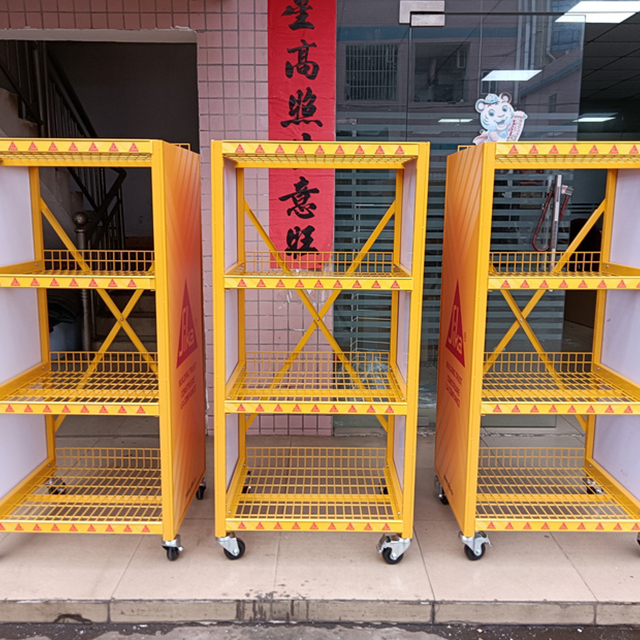
Metal Wire Beverage Display Racks remain the undisputed industry standard for good reason. They offer incredible tensile strength and structural rigidity. Their wire grid design serves a vital self-cleaning function. Dust and spilled liquids fall straight through the open gaps. You avoid the sticky syrup buildup common on flat supermarket shelves. They are also highly customizable for different store footprint constraints. You must verify a few critical criteria before purchasing. Look specifically for commercial-grade powder-coated finishes. This baked-on coating provides essential rust resistance against acidic beverage spills. Demand thick-gauge steel for the core construction. Load-bearing tiers require heavy 6-to-8 gauge wire to prevent sagging.
Solid steel and sheet metal racks offer strong alternatives. They provide the maximum possible weight capacity. Many premium brands prefer their sleek aesthetic. They look fantastic in high-end wine shops or boutique liquor stores. However, they carry significant operational drawbacks. They feature a much heavier shipping footprint. Employees find them considerably harder to clean. You must engineer specific drainage considerations into solid shelves to handle inevitable bottle leaks.
Wood and acrylic introduce severe operational risks. Wood acts like a sponge during accidental liquid spills. It easily warps and rots over time. It offers a vastly lower weight capacity than steel. You must reinforce wooden fixtures using a hidden steel chassis to hold glass safely. Acrylic looks modern but fails rapidly under heavy stress. You face a high risk of surface scratching. Stress-fractures develop quickly under heavy bulk loads. You should reserve acrylic strictly for single-bottle glorifiers. Never use it for bulk storage aisles.
Every structural component on Glass Bottle Display Racks must serve a distinct protective purpose. We evaluate these fixtures based on specific feature-to-outcome mappings. Smart engineering choices directly impact long-term store safety.
Engineering Features Comparison for Glass Racks
Engineering Feature |
Recommended Specification |
Primary Safety Outcome |
|---|---|---|
Raised Front Lips / Fences |
Minimum height of 2 inches |
Prevents forward-sliding during restocking or customer interaction. |
Welded Gussets & Cross-Bracing |
Heavy-duty corner welds |
Eliminates lateral sway and shear stress when customers bump the rack. |
Adjustable Leveling Feet |
Threaded steel shanks |
Compensates for uneven flooring, ensuring absolute vertical plumb. |
Glide Mats / Anti-Slip Liners |
Textured rubber or silicone |
Dampens vibration and stops smooth glass bases from migrating. |
Raised front lips act as your final mechanical fail-safe. Bottles frequently shift forward during routine customer browsing. A minimum two-inch front fence catches them before they tumble to the floor. Welded gussets strengthen the entire core frame. Customers accidentally bump display racks with heavy shopping carts constantly. Cross-bracing absorbs this sudden impact energy. It stops the entire unit from swaying laterally.
Adjustable leveling feet or lockable casters are completely non-negotiable. Retail flooring is rarely perfectly flat. You must adjust the feet individually to compensate for foundation dips. This simple adjustment ensures the rack stands vertically plumb. A leaning rack carrying glass invites massive disaster. Glide mats offer an optional but highly recommended upgrade. They actively dampen ambient floor vibrations. Smooth glass bases tend to wander on bare metal surfaces. Textured rubber liners stop this dangerous migration instantly.
Concentrating heavy glass in one specific aisle strains building infrastructure. You must conduct a thorough floor load audit. Check the retail or restaurant floor weight-bearing capacity carefully. Do this before deploying fully loaded Heavy Duty Beverage Display Racks. Older retail spaces often feature weakened subflooring. Concentrated merchandise zones exert massive point loads that require careful architectural planning.
Your daily merchandising strategy directly dictates unit stability. Operators must prioritize structural physics over pure visual symmetry. Adopt a strict bottom-heavy loading protocol across your stores. Store large format containers on the bottom tiers exclusively. Keep heavy 1L and 750ml glass bottles close to the floor. Place lighter and smaller formats on the top shelves. This technique significantly lowers the overall center of gravity.
Clearance gaps require careful attention during shelf setup. Leave appropriate vertical space between shelves. Customers naturally tilt bottles upward during removal. They will strike the glass against the shelf above if clearance is too tight. This causes secondary breakage and frustrating messes.
Demand absolute transparency from your fixture supplier. Ask them for verifiable load-testing certificates. The manufacturer must prove their weight capacity claims through documented testing. Ensure all metal finishes remain non-toxic. They must comply strictly with local commercial food and beverage safety standards. Chipped paint falling near consumable goods violates basic health codes.
Choosing a reliable supplier requires strict operational testing. Never commit to a bulk rollout based merely on digital 3D renderings. You must secure a physical prototype first. Put the unit through rigorous real-world testing. Request a minimum 30-day in-store load test. Fill the rack entirely with your heaviest glass inventory. Monitor the unit closely for any signs of metal fatigue. Watch how employees interact with the shelves during nightly restocking.
Evaluate the genuine need for customization versus off-the-shelf options. Standard dimensions rarely fit every brand perfectly. Assess your specific bottle silhouettes carefully. Slender craft soda bottles sit very differently than wide champagne bases. Wire grid spacing must accommodate your specific packaging footprint. If the wire gaps are too wide, slender bottles will wobble uncontrollably. Customization ensures optimal base stability. It removes all the dangerous guesswork from inventory loading.
Selecting the right fixture is fundamentally a risk-management decision. It goes far beyond simple aesthetic merchandising. You must prioritize structural integrity above all else. Focus your operational evaluation heavily on gauge thickness and documented load capacity. Ensure robust anti-slip engineering is present on every tier.
Audit your current breakage rates across all beverage aisles to establish a baseline.
Measure the precise base dimensions of your heaviest glass inventory.
Request load-tested material samples from a qualified display manufacturer.
Review all structural spec sheets carefully before planning your next store reset.
A: For standard commercial use, a shelf holding glass bottles should be rated for an absolute minimum of 200–250 lbs per tier, without structural deflection.
A: It is highly discouraged. Unless strictly engineered with reinforced metal supports, corrugated plastic or cardboard POP displays pose a severe collapse hazard when fully loaded with glass.
A: Yes, provided they utilize thick-gauge wire, feature a front retaining lip, and are designed with narrow enough wire spacing so that bottle bases do not tip or catch between the gaps.
A: Beyond utilizing leveling feet and bottom-heavy merchandising, racks taller than 60 inches should ideally include wall-tethering hardware or back-to-back gondola anchoring in high-traffic retail aisles.


