
Please Choose Your Language
Views: 0 Author: Site Editor Publish Time: 2026-03-10 Origin: Site
When it comes to display stands, durability and longevity are key factors in ensuring the investment lasts over time. Many businesses turn to stainless steel display stands for their strength, aesthetic appeal, and resilience to corrosion. Unlike many other materials, stainless steel is known for its resistance to rust and corrosion, making it an excellent choice for both indoor and outdoor display solutions. However, despite its inherent properties, it’s essential to understand the factors that can affect its resistance to corrosion. In this article, we will explore how stainless steel stands perform over time, whether they rust or corrode, and what you can do to maintain them.
Stainless steel gets its remarkable corrosion resistance from the chromium content in the alloy. Typically, stainless steel contains between 10% to 30% chromium, which reacts with oxygen in the air to form a protective chromium oxide layer on the surface of the metal. This thin, invisible layer acts as a barrier, preventing oxygen, water, and other corrosive elements from reaching the underlying steel.
Without this protective layer, steel would corrode quickly. When the chromium oxide layer is intact, it effectively prevents rust from forming on the surface, even when exposed to humid environments. This is the reason why stainless steel is widely used in outdoor settings and in environments where resistance to rust and corrosion is a priority.
Not all stainless steel is created equal. Two of the most common grades used in display stands are 304 and 316 stainless steel. Both offer excellent corrosion resistance, but 316 stainless steel stands out for its higher resistance, especially in marine or highly saline environments. Here's a comparison of the two:
Property | 304 Stainless Steel | 316 Stainless Steel |
Corrosion Resistance | Good, suitable for most indoor environments | Excellent, especially for salty or marine environments |
Cost | Less expensive than 316 | More expensive due to added molybdenum |
Common Uses | Indoor display stands, kitchen appliances | Outdoor displays, marine equipment, and coastal environments |
Additional Features | Good resistance to oxidation, but not ideal for saltwater | Higher resistance to pitting and corrosion in chloride environments |
As you can see, 316 stainless steel is the superior choice for outdoor and harsh environmental conditions, while 304 stainless steel is typically used in indoor environments where there is less exposure to elements like saltwater.
While stainless steel is highly resistant to rust, it is not entirely impervious to damage. Several external factors can weaken the protective oxide layer, allowing corrosion to take hold. Let’s take a closer look at some of the main factors that can impact the performance of your stainless steel display stand.
Exposure to harsh environmental conditions is one of the most common causes of corrosion on stainless steel. Stainless steel's resistance to rust can diminish if it is constantly exposed to high humidity, salty air, or chemicals found in industrial environments. For example, coastal regions with salt-laden air can accelerate the corrosion process, especially for stainless steel grades that are not designed for such exposure. In these conditions, even 304 stainless steel may start to show signs of pitting corrosion.
Temperature and moisture are two other critical factors that influence the longevity of stainless steel. High temperatures can cause oxidation, while excessive moisture can facilitate the formation of rust if the protective layer is compromised.
Surface scratches, abrasions, or damage caused by handling or poor maintenance can also weaken the protective oxide layer. Once the protective layer is broken, the stainless steel is exposed to the elements, making it more susceptible to corrosion. Scuff marks or abrasions caused by cleaning with harsh materials or abrasive cleaning products can wear down the layer, allowing moisture to penetrate the surface and cause rust to form.
Regular cleaning and maintenance are crucial for preserving the appearance and performance of stainless steel. When a stainless steel display stand is not properly cleaned, dust, dirt, and grime can accumulate on the surface, which, over time, may degrade the metal’s protective layer. Failure to remove organic compounds such as oils or food residues can create a perfect environment for corrosion to start.
Certain chemicals, including acids or chloride solutions, can damage the protective layer of stainless steel. Regular exposure to harsh chemicals can lead to corrosion or staining. Therefore, it’s essential to avoid cleaning solutions that are not intended for stainless steel, as these can lead to surface damage and rust formation.
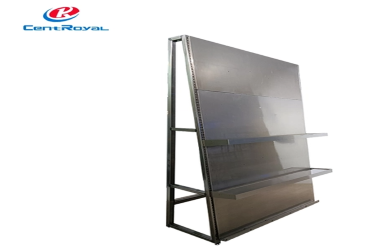
To preserve the integrity of the protective chromium oxide layer, stainless steel display stands should be cleaned regularly. Use a soft cloth or microfiber towel with mild detergent and warm water to wipe down the surface. Avoid harsh chemicals or abrasive sponges, which can scratch the surface and weaken the protective layer. After cleaning, dry the display stand thoroughly to prevent water spots or streaks.
During installation or when adjusting your stainless steel display stand, handle it carefully to avoid scratches or dents. Ensure that the display is not exposed to harsh impacts that could damage the surface. If the stand is being moved frequently, make sure to check for signs of wear or damage regularly.
In some cases, you can apply a protective coating to further enhance the corrosion resistance of stainless steel. While stainless steel itself is highly resistant, adding a coating can provide additional protection against harsh chemicals or extreme environments. Some manufacturers also offer passivation treatments, which enhance the natural corrosion resistance of stainless steel by further strengthening the protective oxide layer.
One of the primary reasons businesses choose stainless steel for display stands is its strength and longevity. Compared to other materials like plastic or aluminum, stainless steel offers superior weight-bearing capacity and is highly resistant to scratches, dents, and abrasions. Unlike plastic, which can crack or break under stress, or aluminum, which may weaken over time, stainless steel maintains its form and functionality, making it ideal for high-traffic areas. This makes stainless steel a great investment for businesses, especially those with heavy foot traffic in stores, malls, and public spaces, ensuring that display stands last for years without the need for frequent replacements.
Stainless steel outperforms many other materials in terms of corrosion resistance. While aluminum may corrode or pit over time, especially when exposed to high-moisture environments, and plastic can degrade or fade when exposed to UV rays, stainless steel retains its integrity over time. It is highly resistant to rain, humidity, and salt, which makes it an ideal choice for coastal or outdoor environments. Unlike other materials that may require coatings or special treatments to maintain their appearance, stainless steel naturally resists rust, making it a more low-maintenance option for display stands.
Stainless steel also provides a sleek, modern appearance that complements a wide range of store designs and product types. Whether in a high-end retail store, a luxury showroom, or a more industrial-style environment, stainless steel adds a premium feel without compromising on functionality. Its natural shine and reflective quality enhance the overall aesthetic, making products more appealing and drawing attention to the display. Stainless steel’s versatility means it can blend seamlessly into various themes, whether sleek and polished for modern environments or matte and industrial for a more raw, minimalist look.
304 stainless steel is suitable for most indoor environments and offers good corrosion resistance, but 316 stainless steel is specifically designed for harsher environments. 316 stainless steel contains molybdenum, making it more resistant to corrosion, particularly in environments exposed to saltwater, chlorides, or high humidity. This makes 316 ideal for coastal areas or marine applications where exposure to corrosive elements is higher.
To prevent rust, it’s important to clean your stainless steel display stand regularly. Use mild detergent and warm water to wipe down the surface, avoiding abrasive materials that can scratch the surface. Always dry the stand thoroughly after cleaning to prevent water spots or moisture buildup. Additionally, store the stand in a dry environment, away from sources of excessive moisture, to avoid corrosion over time.
Yes, 316 stainless steel is particularly well-suited for outdoor environments due to its excellent resistance to saltwater, rain, and other harsh weather conditions. While 304 stainless steel is suitable for indoor environments, 316 stainless steel offers superior durability for outdoor use, such as in coastal areas, marine settings, or high-humidity environments where corrosion could be a concern.
Stainless steel generally does not require additional coatings because its chromium oxide layer provides natural protection. However, for added security in extreme environments, such as high-chloride or high-humidity settings, applying a protective coating or passivation treatment can offer extra protection. These treatments enhance the surface layer and prevent contaminants from damaging the steel, ensuring long-term durability and rust prevention.
In conclusion, stainless steel display stands are an excellent choice for businesses looking for a long-lasting, durable, and aesthetically appealing solution. Due to their inherent resistance to rust and corrosion, these stands are suitable for both indoor and outdoor environments. However, it’s important to consider the factors that can affect their performance, including environmental exposure, surface damage, and improper maintenance. With proper care and maintenance, stainless steel stands can maintain their functionality and appearance for years.


