
Views: 0 Author: Site Editor Publish Time: 2026-03-17 Origin: Site


Small stand displays and tabletop displays are both popular choices for showcasing products, but they serve different purposes based on size, placement, and functionality. Small stand displays are versatile, typically standing independently and offering a variety of designs, which makes them ideal for high-traffic areas such as retail floors, exhibitions, or showrooms. These displays are designed to hold multiple items and can be placed anywhere, providing excellent visibility for larger product ranges. On the other hand, tabletop displays are smaller, often positioned directly on tables or counters, and are more suitable for showcasing a limited number of items in a compact space. Understanding the key differences between these two types of displays is essential for making the right choice based on your available space, the number of products you want to display, and the level of customization you need.
When it comes to size and placement, small stand displays and tabletop displays offer distinct advantages depending on available space and the number of products to display.
Small stand displays are more versatile in size and placement. These displays come in various designs, from compact to multi-tiered, and can be placed in high-traffic areas like aisles, entrances, or retail floors. Their standalone nature makes them ideal for displaying multiple products without taking up too much space. Small stand displays are particularly useful for compact spaces where you need to maximize visibility, offering flexibility in placement.
Tabletop displays are smaller and designed for flat surfaces such as counters or tables. They typically hold fewer items, making them perfect for showcasing individual products or featured items. These displays are ideal for smaller stores or areas with limited space, focusing on personalized or premium displays.
If you have limited floor space but need to display several products, a small stand display is the better option. For compact spaces or displaying fewer items, a tabletop display fits well. The choice depends on your store layout, the number of products you want to showcase, and the available space.
Small stand displays are typically designed for high-traffic areas, making them ideal for environments where visibility and promotion are key. These displays can showcase multiple products simultaneously, which is perfect for retail stores, exhibitions, and trade shows. The ability to place them in prominent locations, such as entrances or aisles, ensures that products catch the attention of passing customers. In retail environments, small stand displays are often used to highlight sales promotions, seasonal offers, or new products, driving impulse purchases. Their design allows for dynamic product displays, making them adaptable for various product types and quantities.
In exhibitions and showrooms, these stands help create visual impact while presenting a variety of products at once. They are ideal for showcasing different features or options of a product, allowing customers to easily engage with the display. Due to their versatile design, small stand displays are great for interactive displays where potential customers can get hands-on with the products.
Tabletop displays, on the other hand, are more suited for smaller spaces and are ideal for personalized or niche displays. They are commonly found in boutique stores, small retail environments, and showrooms where the focus is on displaying high-end items or a select number of products. These displays are perfect for showcasing premium products such as jewelry, gadgets, or limited-edition items, where attention to detail is important.
In exhibitions, tabletop displays are used in smaller booths or areas with limited space, where businesses want to showcase a curated selection of products. They are also effective in showrooms for presenting a few items at a time, allowing potential customers to focus on the quality and features of each product individually.
· Retail: Small stand displays are more commonly used in high-traffic areas for increased visibility and promotion. Tabletop displays are used for exclusive products in more specialized sections.
· Exhibitions: Small stand displays work well for larger product ranges and to attract attention in busy environments, while tabletop displays are great for focused, premium showcases.
· Showrooms: Small stand displays are suitable for displaying multiple products across various categories, while tabletop displays are ideal for showing premium or custom products in a more intimate setup.
Small stand displays offer greater customization options, allowing businesses to tailor the design, material, and size to suit specific product types and branding needs. These displays can be built with multiple tiers, unique shapes, and custom branding elements, making them ideal for showcasing larger product ranges or promotions. The versatility in design means businesses can choose from various materials such as metal, acrylic, or wood, each offering a different look and feel.
However, the flexibility and customization that come with small stand displays make them more expensive compared to simpler display options. The cost often depends on the material, complexity of design, and size, with custom-made versions being significantly pricier than off-the-shelf displays. For businesses looking to showcase multiple items and create a distinct visual presence, the investment in a custom small stand display is often worthwhile, but it’s important to budget accordingly for the higher costs.
Tabletop displays are generally more cost-effective due to their simpler design and smaller size. These displays are often produced in standard sizes, with limited customization options, which helps keep costs low. While you can still find customizable tabletop displays in terms of materials and minor design changes, they are typically best suited for displaying fewer products and require less elaborate construction.
The lower cost makes tabletop displays ideal for businesses with smaller budgets or those that need a simple, functional display solution. However, the trade-off is the limited customization. These displays may not offer the same level of personalization or flexibility in terms of multi-tier displays or large-scale designs.
· Small Stand Displays: While more expensive, they offer extensive customization options, ideal for businesses that want to display a wide range of products or need a design that aligns closely with their brand identity. These displays are well-suited for high-traffic areas and promotions that require a significant visual presence.
· Tabletop Displays: More affordable and perfect for businesses with smaller budgets or those showcasing a select few products. Customization options are limited, but they are ideal for cost-effective displays in boutiques, showrooms, or small retail environments.
Ultimately, the decision between small stand displays and tabletop displays comes down to your budget and the level of customization you require. Small stand displays may be better for businesses that need larger, more flexible displays, while tabletop displays are perfect for smaller, more cost-conscious needs.
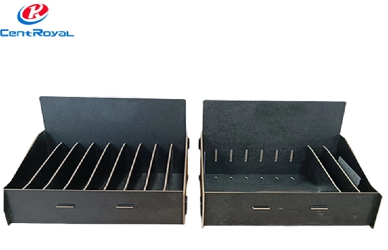
Advantages:
· Increased Visibility: Small stand displays are ideal for high-traffic areas, offering better visibility for a larger range of products. Their multi-tiered design helps showcase various items, making them effective in retail stores and exhibitions.
· Larger Product Displays: These displays can hold a greater number of products, perfect for promotions or seasonal items.
· Customizability: Small stands can be customized to fit the store’s branding and product needs.
Disadvantages:
· Requires More Floor Space: They occupy more space, which can be an issue in stores with limited room.
· Higher Costs: Customizing small stands can be more expensive, which may be a drawback for businesses on a budget.
Advantages:
· Compact and Space-Saving: Tabletop displays are perfect for smaller spaces, easily fitting on counters or tables. They're ideal for boutiques and smaller stores.
· Easy to Set Up: Simple to assemble, these displays are cost-effective and a quick solution for showcasing a few products.
· Affordable: Typically cheaper than larger stands, making them a good option for businesses with a smaller budget.
Disadvantages:
· Limited Product Range: Tabletop displays are best for one or two products, not suitable for showcasing multiple items.
· Less Visibility: While they are great for small displays, they don’t attract as much attention as larger stands in busy spaces.
· Small Stand Displays offer higher visibility and can display more products but require more space and come at a higher cost.
· Tabletop Displays are compact, affordable, and easy to set up but are limited in the number of products they can display and may not draw as much attention.
Small stand displays are perfect for high-traffic areas such as store entrances, exhibitions, or trade shows, where visibility and showcasing multiple products are key.
Tabletop displays are generally better for smaller items. Larger products may not fit well or appear as visually effective, as these displays are typically more compact.
Yes, small stand displays are highly customizable and can be designed in various shapes, sizes, and materials to suit specific brand needs and product types.
Tabletop displays are usually more cost-effective due to their smaller size and simpler designs, while small stand displays, though more expensive, offer greater flexibility and visibility.
In summary, the key differences between small stand displays and tabletop displays lie in their size, visibility, and capacity. Small stand displays offer greater visibility, the ability to showcase a larger range of products, and more customization options, but they require more floor space and come at a higher cost. In contrast, tabletop displays are compact, cost-effective, and easier to set up, making them ideal for smaller spaces or showcasing a few premium items, but they are limited in the number of products they can display. When choosing the best display for your needs, consider factors like available space, budget, and the number of products you need to showcase. For high-traffic areas or larger product ranges, small stand displays are ideal, while tabletop displays are perfect for smaller spaces and focused product displays.